
Otterhound Temperament and Grooming Considerations
Table of Contents
- Introduction: The Rare Water-work Hound
- Breed Handling Profile
- Breed Purpose and Why It Matters for Otterhound Temperament
- FurHQ Coat Type Breakdown
- Not Sure About Your Dog's Coat Type?
- Puppy Coat to Adult Coat Transition
- The FurHQ 5-Step Grooming Method: Technical Reality
- FurHQ Starter Grooming Kit Breakdown
- Superpowers and Kryptonite
- FurHQ's Lifestyle Lens and Pro Insights
- Health and Lifespan: The FurHQ Touch Test
- Related Breed Comparisons
- Related Reading
- The Bottom Line
- Variation Clarity Statement
- FAQs
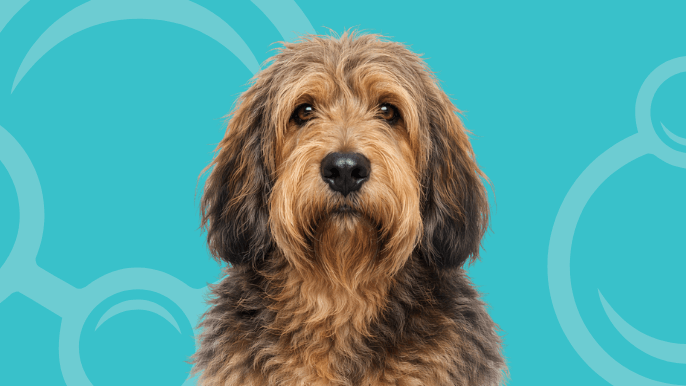 Introduction: The Rare Water-work Hound
If you want a large, shaggy, amiable hound with a nose that could track a fish through a river, a personality that radiates cheerful independence, and one of the most distinctive wire coats in the dog world, understanding Otterhound Temperament is essential. This is one of the rarest breeds in existence, with fewer individuals alive today than many endangered wildlife species. The Otterhound was developed in medieval England to hunt otters in rivers, streams, and along rugged, muddy riverbanks when otter populations threatened fish stocks.
Otterhound Temperament combines the friendly, easygoing nature of a pack hound with the independent stubbornness of a dog bred to follow its nose through water and dense bankside vegetation without close handler direction. These dogs are amiable without being submissive, social without being needy, and characterful in a shaggy, rumpled way that makes them genuinely unlike any other breed.
The wire coat was purpose-built for water work. The rough, harsh outer coat creates a physical barrier against water penetration while the dense, oily undercoat provides insulation in cold rivers and waterproof protection. The shaggy beard, moustache, and bushy eyebrows give the breed its distinctive expression. Otterhound Temperament during grooming is patient and tolerant, which is fortunate because maintaining a wire coat on a dog this size is a genuine commitment.

If you want a rare, characterful hound that approaches life with a cheerful shrug, loves water with a passion that borders on obsession, and carries one of the most functional wire coats in the canine world, understanding Otterhound Temperament is where this unlikely adventure begins.
These dogs offer one of the most unique combinations of size, scenting ability, and personality in the hound group. They are gentle without being timid, independent without being aloof, and messy in a way that somehow becomes endearing once you surrender to it.
Now let's talk grooming. Honestly.
Otterhound Temperament makes grooming sessions calm and cooperative. The dog is patient. The coat is the work. And on a dog this size, the work is substantial.
The wire coat requires specific, consistent maintenance:
- Rough, harsh outer coat that needs carding to preserve waterproof texture
- Dense, oily undercoat that requires regular removal to prevent buildup against the skin
- Shaggy beard and facial furnishings that collect food, water, and debris constantly
- A coat that retains water and distributes it across your home after every swim
Grooming is a genuine commitment on a large, shaggy dog.
Where ownership becomes more nuanced is everything else.
This breed is NOT for you if:
- You want a clean, tidy dog that stays presentable between baths
- You need reliable off-leash recall in unfenced areas
- You live in close-proximity housing where a deep, carrying voice is problematic
- You want a dog that responds promptly to commands without debate
- You are not prepared for a large dog that brings water and mud indoors
Because Otterhound Temperament includes:
- A coat that retains water like a sponge and distributes it generously across your home
- A deep baying voice that carries impressively and is used with enthusiasm
- A nose that overrides recall whenever an interesting scent presents itself
- Independent stubbornness that makes obedience a negotiation rather than a certainty
- A love of water and mud that is genuine, deep, and permanent
This breed IS for you if:
- You love a shaggy, characterful hound with genuine personality
- You have space for a large, active dog with access to water
- You appreciate independence and humour in your canine companion
- You can commit to the carding and texture maintenance this wire coat demands
- You want to help preserve one of the rarest breeds in the world
Otterhound Temperament rewards owners who embrace the mess, the noise, and the stubbornness along with the enormous heart that defines this breed, a rare English hound that deserves every effort to keep its lineage alive.
Breed Handling Profile
| Trait | Level | Notes |
|---|---|---|
| Emotional sensitivity | Low to Moderate | Easygoing and tolerant; rarely reactive during grooming |
| Handling tolerance | Moderate to High | Patient and amiable; may become restless during longer carding sessions |
| Grooming commitment | High | Wire coat requires regular carding and texture preservation on a large breed |
| Exercise needs | Moderate to High | Needs daily activity with swimming opportunities ideal |
| Alone time tolerance | Low to Moderate | Social and pack-oriented; prefers company |
| Best fit household | Spacious home with outdoor access and owner committed to wire coat maintenance |
Breed Purpose and Why It Matters for Otterhound Temperament
The Otterhound was developed to track otters through water, along riverbanks, and across the varied terrain surrounding English waterways. The hunts required hounds that could follow a scent trail through water where scent was dispersed and diluted, pursue quarry into dens and under banks, and work for hours in cold, muddy conditions without tiring. The hunts could cover miles of riverbank in a single day.
Otterhound Temperament reflects this heritage directly. The powerful nose that makes recall unreliable exists because tracking otter scent through water required the most sensitive olfactory system possible. The independent stubbornness exists because the dog needed to follow the scent trail on its own judgement through difficult terrain. The love of water and mud exists because working in rivers, streams, and muddy banks was the entire purpose. The friendly, pack-oriented personality exists because Otterhounds worked in packs and needed to cooperate with other dogs and handlers.
The wire coat was developed specifically for waterwork. The rough, harsh outer coat created a barrier against water penetration while the dense, oily undercoat provided insulation in cold rivers and waterproof protection. The shaggy beard and eyebrows protected the face during work through dense bankside vegetation. Otterhound Temperament and the functional, waterproof wire coat are both products of a breed engineered for one of the most demanding hunting environments in the sporting world.
FurHQ Coat Type Breakdown
The Otterhound wears a Wire Coat as classified in the FurHQ seven-coat system.
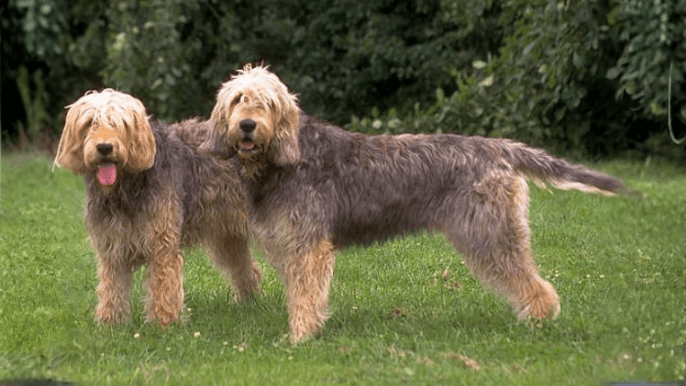
The coat consists of a rough, harsh outer coat of approximately two to four inches in length over a dense, oily, waterproof undercoat. The texture should feel crisp and bristly when properly maintained. The Otterhound develops prominent facial furnishings including a full beard, moustache, and bushy eyebrows. The leg hair is rough and shaggy, maintaining the same harsh texture as the body coat.
The critical grooming principle for any wire coat is that clipping softens the texture permanently. The wire coat is maintained through carding , which removes dead undercoat while preserving the harsh guard hairs. The Short-Medium Coat Carding Rake is the primary maintenance tool.
The Medium-Pinned Slicker prepares the coat for carding by loosening dead coat and identifying areas needing attention. The FurHQ Detail Comb verifies thorough brushing and detangles the beard and leg furnishings. The Rubber Curry serves during bathing and for surface-level undercoat loosening.
The oily undercoat on an Otterhound is notably more substantial than on most wire coated breeds due to the waterproofing function. This means shampoo needs to penetrate thoroughly. A double shampoo (lather, rinse, repeat) is often necessary to clean through the oily undercoat completely.
The recommended kit is the FurHQ Starter Grooming Kit: Wire Coat.
Not Sure About Your Dog's Coat Type?
Every dog is an individual, and coat types can sometimes surprise you. If you are unsure whether your dog's coat is truly a wire coat or something else, use the FurHQ AI Coat Identifier. Simply upload a photo of your dog and get an accurate coat type classification with the right kit recommendation. No guessing required.
Puppy Coat to Adult Coat Transition
Otterhound puppies are born with a softer coat that begins developing wire texture between 4 and 8 months. The adult wire coat with full facial furnishings is typically established by 12 to 18 months, though the coat continues to develop density and the characteristic oily undercoat until around age 2.
Early carding of the puppy coat helps establish the correct adult wire texture. If the puppy coat is clipped during this period, the adult coat may grow in softer than intended, which compromises the waterproof function the coat was bred to provide.
Start gentle brushing with the Medium-Pinned Slicker from 8 weeks. Handle the beard, paws, and ears daily. Otterhound Temperament in puppyhood is playful and cooperative, making grooming introduction straightforward. Use Pawfect Finish Coat Spray lightly on the leg furnishings during brushing.
The FurHQ 5-Step Grooming Method: Technical Reality
The FurHQ 5-Step Method (Audit, Prep, Bath, Dry, Finish) applies to this coat type with emphasis on preserving the wire jacket texture while maintaining the softer furnishings and undercoat separately.
Learn the Method. Follow the Protocol. Complete the Mission.
Setup and Stability
Secure the dog using the Stay Put System (suction cup anchor + safety lead). For anxious dogs, the Hush Pup Wrap provides calming compression. Wire coats require patience during grooming, particularly around the face, beard, and leg furnishings where sensitivity is higher.
Tools and Technique
Audit: Begin every session by running your hands over the entire body. Check the jacket for blown (soft) coat, feel for undercoat density, and examine the furnishings for tangles. Check behind the ears, the beard, armpits, and leg furnishings where mats develop.
Prep: Use the Medium-Pinned Slicker Brush on furnishings and the Rubber Curry on the body coat. Use Pawfect Finish Coat Spray on furnishings before brushing. Verify furnishings with the FurHQ Detail Comb. Use the Short to Medium Coat Carding Rake on the body coat to remove dead undercoat and blown jacket, maximum once per week.
Bath: Use Rubber Curry during bathing for skin stimulation and to work shampoo through the dense coat. Rinse thoroughly, ensuring shampoo reaches the skin beneath the wire jacket.
Dry: Towel dry thoroughly. Use a dryer working with the coat's natural direction. The wire jacket should air up and maintain its texture as it dries.
Finish: Final comb-through of furnishings with the FurHQ Detail Comb. Assess the jacket texture and overall outline. Apply Pawfect Finish Coat Spray to furnishings only.
Chemistry and Coat Care
Texture-Tastic Shampoo cleanses while supporting the wire texture. Coat-Quench Conditioner and Pawfect Finish Coat Spray are applied selectively to the furnishings and undercoat only, never to the jacket or saddle . Over-conditioning the wire jacket softens the texture and compromises the coat's natural harsh structure. This selective conditioning approach is essential for maintaining proper wire coat integrity.
The Coat Release Method (Condensed)
Wire coats carry undercoat beneath the jacket that releases seasonally. During the Bath step, after full saturation and shampoo application, use controlled airflow in the tub while the coat is still lathered. The lubrication allows dead undercoat to release safely without friction or skin trauma. Rinse, then apply a second shampoo with the Rubber Curry to complete the release. This keeps dead coat contained in the tub rather than spread across your home. For the full step-by-step process, see The Coat Release Method for Dogs with Undercoat in Related Reading.
FurHQ Starter Grooming Kit Breakdown
The FurHQ Starter Grooming Kit: Wire Coat contains everything you need to maintain the Otterhound wire coat properly.
Standard Items (included in all FurHQ kits):
- Stay Put System (suction cup anchor + safety lead + training tips)
- Hush Pup Wrap
- Rubber Curry (for bathing and surface coat loosening)
- Ear Wipes
- Pawfect Finish Coat Spray
Coat-Specific Items:
- Texture-Tastic Shampoo
- Coat-Quench Conditioner
- Medium-Pinned Slicker Brush
- FurHQ Detail Comb
- Short-Medium Coat Carding Rake
Total: 10 items
Each kit includes step-by-step video tutorials and informational PDFs so you know exactly how to use every tool and product for the Otterhound wire coat.
 Superpowers and Kryptonite
Superpowers 🦸
🌟 Amiable, easygoing nature: Otterhound Temperament is genuinely friendly and tolerant. These dogs get along with people, children, and other dogs with a good-natured patience that makes them wonderful family companions.
🌟 Exceptional scenting ability: The Otterhound's nose is one of the most powerful in the hound group, capable of tracking scent through water. Otterhound Temperament includes a focused determination when following a trail that is impressive to witness.
🌟 Natural water dog: Otterhound Temperament includes a genuine love of water that is bred to the bone. The webbed feet, waterproof coat, and powerful build make this breed an outstanding swimmer.
🌟 Cooperative grooming partner: Despite the heavy coat commitment, Otterhound Temperament during grooming is patient and tolerant. The breed's easygoing nature makes carding sessions more manageable than the coat's complexity might suggest.
🌟 Unique character: There is no other breed quite like the Otterhound. The combination of size, shagginess, personality, and rarity creates a dog that is genuinely distinctive and a real conversation starter.
🌟 Conservation significance: Owning an Otterhound contributes to preserving one of the rarest breeds in the world. Otterhound Temperament and the breed's future depend on dedicated owners who commit to this endangered breed.
Kryptonite ⚠️
⚠️ The mess is real: Otterhound Temperament includes a love of water and mud that is permanent. The wire coat retains water like a sponge and the beard collects food, water, and debris constantly. These dogs distribute moisture across your home after every drink, swim, and walk.
⚠️ Deep, carrying voice: Otterhound Temperament includes a deep bay that carries impressively. These dogs vocalise when excited, bored, or following a scent. Close-proximity housing requires serious consideration.
⚠️ Independent stubbornness: Otterhound Temperament includes a nose-driven independence that overrides training whenever a scent presents itself. Recall is unreliable and obedience is a negotiation.
⚠️ Wire coat commitment on a large dog: Carding a wire coat on a dog that weighs 36 to 52 kilograms is substantially more work than carding a terrier. The oily undercoat adds another layer of maintenance complexity.
⚠️ Rarity creates challenges: Finding a reputable Otterhound breeder requires patience and research. Veterinary specialists familiar with the breed are uncommon. Breed-specific health information is limited.
⚠️ Escape and wandering risk: Otterhound Temperament includes a tendency to follow interesting scents with single-minded determination. Secure fencing and supervised outdoor time are essential.
FurHQ's Lifestyle Lens and Pro Insights
These are the details that experienced Otterhound owners and professional groomers know. They address real-world Otterhound Temperament traits that make the difference between struggling and thriving with this breed.
The Beard Management Reality
The Otterhound beard collects everything. Food particles after every meal, water after every drink, mud after every walk, and general debris throughout the day. Daily beard wiping and combing with the FurHQ Detail Comb is not optional grooming. It is basic hygiene management. Many experienced Otterhound owners keep a towel by the water bowl and another by the door.
The Oily Undercoat Factor
The waterproof undercoat on an Otterhound is noticeably oilier than on most wire coated breeds. This oil serves the original waterproofing function but creates a coat that can develop odour and buildup if the undercoat is not carded regularly. A double shampoo with Texture-Tastic Shampoo is often necessary to cut through the oil and clean to the skin.
The Endangered Breed Reality
The Otterhound is critically endangered, with global numbers estimated at fewer than 1,000 individuals. Otterhound Temperament and the breed's survival depend on dedicated owners who commit to responsible ownership and breeding. If you choose this breed, you are actively participating in conservation.
The Water Access Priority
Otterhound Temperament genuinely thrives with access to safe swimming opportunities. The breed was built for water, and swimming provides the ideal combination of exercise and mental satisfaction. A tired, happy Otterhound that has had a good swim is a calmer, more manageable household companion.
Focus on coat release during bathing, working shampoo deep into the dense, oily double coat and using airflow to push out trapped undercoat before rinsing. Regular ear and beard care is just as critical - those areas hold moisture and debris quickly if not maintained.
Health and Lifespan: The FurHQ Touch Test
The Otterhound typically lives 10 to 13 years. The breed has some health considerations that make regular monitoring through grooming essential.
Regular grooming sessions double as health checks when you use the FurHQ Touch Test. Run your hands systematically across the body during every grooming session, feeling for lumps, bumps, skin changes, heat spots, or areas of tenderness. The dense wire coat can obscure problems visually, making hands-on monitoring essential.
Common health concerns that intersect with grooming include hip dysplasia, bloat (gastric dilatation-volvulus), epilepsy, and a breed-specific bleeding disorder (Glanzmann thrombasthenia). Otterhound Temperament is easygoing about discomfort, which means the Touch Test during grooming provides consistent monitoring that the breed's calm demeanour might otherwise mask.
Related Breed Comparisons
If you are considering an Otterhound, these breeds share some characteristics but differ in important ways:
- Petit Basset Griffon Vendeen Temperament: Fellow wire coated hound with similar cheerful independence. Much smaller but equally vocal and stubborn.
- Irish Wolfhound Temperament: Similar wire coat and large size. Calmer temperament with less scent drive. Higher grooming commitment due to sheer size.
- Bloodhound Temperament: Comparable scenting ability and pack hound heritage. Smooth coat makes grooming simpler but the drooly, messy nature is comparable.
- Airedale Terrier Temperament: Fellow wire coated breed with similar size and water affinity. More trainable with a terrier's sharper temperament.
Related Reading
Wire Coat Grooming
Bathing and Drying
Tools and Products
Related Breed Blogs
- Petit Basset Griffon Vendeen Temperament
- Irish Wolfhound Temperament
- Bloodhound Temperament
- Airedale Terrier Temperament
The Bottom Line
Otterhound Temperament is cheerful independence wrapped in a waterproof wire coat. This rare breed rewards owners who embrace the mess, the noise, and the stubbornness with one of the most characterful, affectionate, and genuinely unique companions in the dog world. The wire coat needs proper carding. The beard needs daily attention. The oily undercoat needs thorough cleaning. But what you get in return is a dog with a heart as big as its shaggy frame, a personality that makes you laugh daily, and the satisfaction of helping preserve one of the rarest breeds alive.
If you are ready for the commitment, the FurHQ Starter Grooming Kit: Wire Coat gives you every tool and product needed to maintain the wire coat in proper condition. Add a towel by the water bowl, a sense of humour about the mess, and the patience to love a dog that follows its nose before it follows your commands.
You got this. And we've got you. 🐾
Variation Clarity Statement
Every dog is an individual. While this profile describes typical breed characteristics, your specific dog may vary based on genetics, breeding, socialisation, and individual temperament. Coat type can also vary within breeds.
If you are unsure about your dog's coat type, use the FurHQ AI Coat Identifier to get accurate identification and the right kit recommendation.
FAQs
What coat type does an Otterhound have according to the FurHQ system?
The Otterhound has a Wire Coat. FurHQ classifies all dog coats into seven types:
- Curly Wavy Coat
- Drop Coat
- Wire Coat
- Smooth Single Coat
- Short Double Coat
- Medium and Plush Double Coat
- Feathered Long Double Coat
The wire coat consists of a rough, harsh outer coat over a dense, oily, waterproof undercoat. The Otterhound's version is notably oilier than most wire coats due to the waterproofing function developed for riverwork.
Why is the Otterhound coat so oily?
The oily undercoat was developed specifically for waterwork. The oil provides waterproofing that kept the dog's skin dry during extended periods of immersion in cold rivers. This functional feature means the coat requires more thorough shampooing than most wire coats. A double shampoo with Texture-Tastic Shampoo is often necessary to cut through the oil and clean to the skin.
How often should I groom my Otterhound?
Card the body coat once or twice per week. The beard needs daily combing with the FurHQ Detail Comb and wiping after meals and water. Otterhound Temperament is patient during grooming sessions, which is fortunate on a dog this size. Use Pawfect Finish Coat Spray lightly on the leg furnishings during brushing.
Can I clip my Otterhound's coat instead of carding?
Clipping permanently changes wire coat texture. The harsh guard hairs are cut and the soft undercoat grows back dominant, destroying the waterproof quality and characteristic wire feel. Carding with the Short-Medium Coat Carding Rake removes dead undercoat while preserving the harsh guard hairs. This is non-negotiable for maintaining a functional Otterhound coat.
How do I manage the beard mess?
Daily attention is the only answer. Wipe the beard after every meal and every drink. Comb through with the FurHQ Detail Comb every evening. Keep towels stationed by the water bowl and by the door. Otterhound Temperament accepts beard maintenance readily. The habit takes two minutes per day and prevents the matting , staining, and odour that develop when Otterhound beards are neglected.
Is the Otterhound really that rare?
Yes. Otterhound Temperament and the breed's survival are genuinely at risk. Global numbers are estimated at fewer than 1,000 individuals, making the Otterhound more endangered than some wildlife species. Finding a reputable breeder requires patience and often involves waiting lists. Owning an Otterhound is an active contribution to breed conservation.
Can I let my Otterhound off leash?
Only in fully enclosed, secure areas. Otterhound Temperament includes a nose-driven independence that overrides recall when a scent presents itself. The combination of powerful scenting ability, independent stubbornness, and physical size makes off-leash exercise in unfenced areas genuinely risky. Secure fencing is essential.
Does my Otterhound need access to water for swimming?
It is not strictly necessary, but Otterhound Temperament genuinely thrives with regular swimming opportunities. The breed was built for water, and swimming provides ideal exercise that satisfies both physical and mental needs. A tired Otterhound that has had a good swim is a calmer household companion.
What tools do I need for an Otterhound?
The FurHQ Starter Grooming Kit: Wire Coat provides everything needed: Texture-Tastic Shampoo for cleaning without softening, Coat-Quench Conditioner applied selectively to undercoat areas, Medium-Pinned Slicker Brush for coat preparation, FurHQ Detail Comb for verification and beard care, Short-Medium Coat Carding Rake for undercoat removal, plus all standard items including the Stay Put System, Hush Pup Wrap, Rubber Curry, Ear Wipes, and Pawfect Finish Coat Spray.
Is the Otterhound good for first-time owners?
With preparation and realistic expectations, it is possible. Otterhound Temperament is friendly and forgiving, which helps inexperienced owners. However, the wire coat commitment, the size, the independent stubbornness, and the rarity-related challenges make this breed better suited to owners with some dog experience. First-time owners who are dedicated and willing to learn can succeed with breeder guidance and professional training support.
How do I manage the Otterhound smell?
The oily undercoat can develop odour between baths. Regular carding with the Short-Medium Coat Carding Rakeremoves dead undercoat where odour concentrates. Bathing with a double application of Texture-Tastic Shampoo every 4 to 6 weeks addresses the oil buildup. Daily beard cleaning also reduces localised odour significantly.
Where can I get everything I need for Otterhound grooming?
The FurHQ Starter Grooming Kit: Wire Coat includes every tool and product designed for this coat type, along with step-by-step video tutorials. All seven FurHQ coat type kits are available at the FurHQ Store:
- FurHQ Starter Grooming Kit: Curly Wavy Coat
- FurHQ Starter Grooming Kit: Drop Coat
- FurHQ Starter Grooming Kit: Wire Coat
- FurHQ Starter Grooming Kit: Smooth Single Coat
- FurHQ Starter Grooming Kit: Short Double Coat
- FurHQ Starter Grooming Kit: Medium Plush Double Coat
- FurHQ Starter Grooming Kit: Feathered Long Double Coat