

FurHQ offers seven coat-specific kits to match every coat type: FurHQ Starter Grooming Kit: Smooth Single Coat, FurHQ Starter Grooming Kit: Short Double Coat, FurHQ Starter Grooming Kit: Medium Plush Double Coat, FurHQ Starter Grooming Kit: Feathered Long Double Coat, FurHQ Starter Grooming Kit: Wire Coat, FurHQ Starter Grooming Kit: Curly Wavy Coat, and FurHQ Starter Grooming Kit: Drop Coat. If you are unsure which kit is right for your dog, use the FurHQ AI Coat Identifier to get a personalised recommendation, or visit the FurHQ Store to explore all options.
Lakeland Terrier Temperament and Grooming Considerations
By Mondo Fluffarino | FurHQ Blog Author & Chief Education Officer
Table of Contents
- Introduction: The Fell Country's Fearless Working Terrier
- Breed Handling Profile
- Breed Purpose and Why It Matters for Lakeland Terrier Temperament
- FurHQ Coat Type Breakdown
- Not Sure About Your Dog's Coat Type?
- Puppy Coat to Adult Coat Transition
- The FurHQ 5-Step Grooming Method: Technical Reality
- FurHQ Starter Grooming Kit Breakdown
- Superpowers 🦸
- Kryptonite ⚠️
- FurHQ's Lifestyle Lens and Pro Insights
- Health and Lifespan: The FurHQ Touch Test
- Related Breed Comparisons
- Not Sure If This Breed Is Right for You?
- Related Reading
- The Bottom Line
- Important Note About Individual Dogs
- FAQs
Lakeland Terrier Temperament is what happens when a breed is forged in the harsh fell country of England's Lake District, where the only dogs that survived and thrived were the ones bold enough to follow foxes underground through rocky tunnels and tough enough to work alongside hounds across some of the most unforgiving terrain in the British Isles.
This is a compact, square-built terrier standing just 33 to 38 centimetres at the shoulder and weighing 7 to 8 kilograms, but Lakeland Terrier Temperament operates on a scale that has nothing to do with physical size.
Understanding Lakeland Terrier Temperament means recognising that this breed carries the confidence of a dog three times its size and the energy of a dog that was bred to work all day across mountains, through water, and down into the earth itself.
The Lakeland was developed to protect fell country sheep farmers from foxes that preyed on lambs during the vulnerable lambing season, working in packs with hounds and going to ground in rocky dens where larger dogs could not follow. That job required courage, tenacity, physical toughness, and the ability to work independently in confined, dangerous spaces.
Lakeland Terrier Temperament is not for owners who want a quiet lap dog. The dense wire coat demands consistent maintenance to preserve its characteristic harsh texture, the terrier personality demands engagement and confident handling, and the breed's energy demands daily outlets that go well beyond a neighbourhood walk. Owners who understand and embrace what the Lakeland offers find one of the most entertaining, loyal, and spirited companions in the terrier group. Those who underestimate the package find themselves outmanoeuvred by a dog that weighs less than most house cats.
This is Mondo, and the Lakeland Terrier is the fell country warrior that most people have never heard of.
Lakeland Terrier Temperament is pure terrier. Bold, independent, opinionated, and utterly convinced of its own importance. If the Wire Fox Terrier is the show ring champion and the Airedale is the king, the Lakeland is the underground warrior who does not care what anyone thinks because it spent the last few centuries fighting foxes in tunnels.
Now let's talk grooming . Honestly.
The wire coat needs regular carding and furnishing maintenance. The good news is that the Lakeland's coat is manageable in size. This is not an Airedale-sized project. Two to three sessions per week with the carding rake keeps the texture right. The beard and leg furnishings need combing through regularly. Lakeland Terrier Temperament cooperates well with efficient grooming sessions but will test you if you hesitate or take too long.
This breed is NOT for you if:
- You want a quiet, laid-back companion
- You have cats or small pets
- You want a dog with reliable off-lead recall
- You are a first-time dog owner
- You cannot provide secure fencing and daily exercise
Because Lakeland Terrier Temperament includes:
- Extraordinary independence from centuries of working alone underground
- High prey drive that is instinctive and persistent
- Escape artistry requiring secure containment
- Digging instinct that cannot be trained out entirely
- Vocal alertness that includes persistent barking
This breed IS for you if:
- You appreciate a bold, confident terrier with genuine working heritage
- You enjoy an independent-minded dog that challenges you intellectually
- You can provide daily exercise, secure fencing, and mental stimulation
- You want a manageable-sized wire coat terrier with outsized personality
- You are experienced with terrier breeds and love the terrier spirit
Lakeland Terrier Temperament rewards experienced, active owners with a companion whose courage, independence, and character are among the most authentic in the terrier group.
Respect the independence. Maintain the wire coat consistently. Provide secure containment.
When you channel Lakeland Terrier Temperament appropriately, you gain a companion that brings the fell country spirit into your daily life.
Breed Handling Profile
| Trait | Level | Notes |
|---|---|---|
| Emotional sensitivity | Low to Moderate | Confident and resilient. Not easily rattled. |
| Handling tolerance | Moderate | Cooperates with efficient handling. Tests hesitant handlers. |
| Grooming commitment | Moderate | Wire coat needs carding 2-3x weekly. Furnishings need regular combing. |
| Exercise needs | High | Requires daily vigorous exercise. Built for endurance. |
| Alone time tolerance | Moderate | Handles reasonable alone time. Can become destructive if bored. |
| Best fit household | Experienced terrier owners. Active individuals or families. Secure fencing essential. |
Breed Purpose and Why It Matters for Lakeland Terrier Temperament
The Lakeland Terrier was developed in the Lake District of England specifically to protect sheep flocks by destroying foxes in their underground dens. Unlike many terrier breeds that bolted foxes for the hunters, the Lakeland was expected to enter the den and engage the fox directly. This extraordinarily dangerous work required a dog with unmatched courage, physical toughness, and the ability to work alone without human direction in confined spaces.
This underground heritage explains every aspect of Lakeland Terrier Temperament. The independence comes from working alone in tunnels. The courage comes from confronting cornered predators. The energy comes from running with hound packs across mountainous terrain. The Lakeland is one of the few terrier breeds with a genuine fighting heritage against predators, and that heritage produces a temperament of remarkable depth and authenticity.
FurHQ Coat Type Breakdown
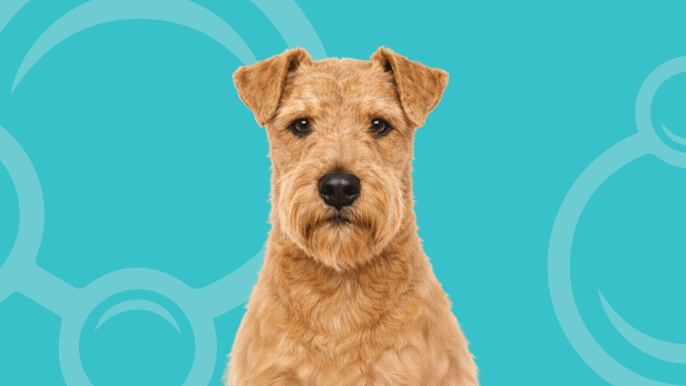
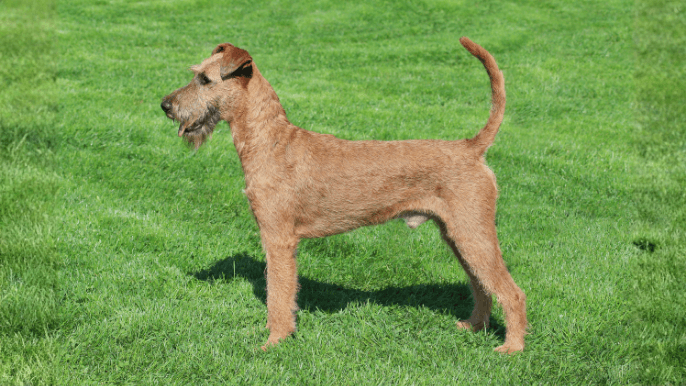
The Lakeland Terrier carries a Wire Coat. Within the FurHQ seven-coat system, this coat type features a harsh, dense, wiry topcoat with a softer undercoat . The facial furnishings, including the beard and eyebrows, are softer than the body coat.
The Medium-Pinned Slicker Brush works through the wire coat. The FurHQ Detail Comb verifies brushing and maintains furnishings. The Short-Medium Coat Carding Rake removes dead coat and preserves wire texture.
The recommended kit is the FurHQ Starter Grooming Kit: Wire Coat.
Not Sure About Your Dog's Coat Type?
Not every dog fits neatly into one coat category, and that is completely normal. Coat type determines the correct tools, products, and techniques for effective grooming, but identifying it is not always straightforward, especially with mixed breeds or puppies still developing their adult coat.
Use the FurHQ AI Coat Identifier to find out your dog's coat type and get matched to the right FurHQ Starter Grooming Kit. Simply upload a photo, and the tool provides a personalised kit recommendation based on your dog's actual coat.
Puppy Coat to Adult Coat Transition
Lakeland Terrier puppies are born with a softer coat that begins transitioning to the adult wire texture between 6 and 10 months. The transition may appear uneven as the wire texture develops at different rates across the body. The facial furnishings develop gradually, reaching full expression between 10 and 16 months.
Begin gentle carding during the transition with light pressure. Lakeland Terrier Temperament during puppyhood is bold but more adaptable than in adulthood. Keep sessions short, efficient, and always positive. The FurHQ 5-Step Method provides structure for establishing the carding and brushing habits that maintain proper wire texture for life.
The FurHQ 5-Step Grooming Method: Technical Reality
The FurHQ 5-Step Method (Audit, Prep, Bath, Dry, Finish) applies to this coat type with emphasis on preserving the wire jacket texture while maintaining the softer furnishings and undercoat separately.
Learn the Method. Follow the Protocol. Complete the Mission.
Setup and Stability
Secure the dog using the Stay Put System (suction cup anchor + safety lead). For anxious dogs, the Hush Pup Wrap provides calming compression. Wire coats require patience during grooming, particularly around the face, beard, and leg furnishings where sensitivity is higher.
Tools and Technique
Audit: Begin every session by running your hands over the entire body. Check the jacket for blown (soft) coat, feel for undercoat density, and examine the furnishings for tangles. Check behind the ears, the beard, armpits, and leg furnishings where mats develop.
Prep: Use the Medium-Pinned Slicker Brush on furnishings and the Rubber Curry on the body coat. Use Pawfect Finish Coat Spray on furnishings before brushing. Verify furnishings with the FurHQ Detail Comb. Use the Short to Medium Coat Carding Rake on the body coat to remove dead undercoat and blown jacket, maximum once per week.
Bath: Use Rubber Curry during bathing for skin stimulation and to work shampoo through the dense coat. Rinse thoroughly, ensuring shampoo reaches the skin beneath the wire jacket.
Dry: Towel dry thoroughly. Use a dryer working with the coat's natural direction. The wire jacket should air up and maintain its texture as it dries.
Finish: Final comb-through of furnishings with the FurHQ Detail Comb. Assess the jacket texture and overall outline. Apply Pawfect Finish Coat Spray to furnishings only.
Chemistry and Coat Care
Texture-Tastic Shampoo cleanses while supporting the wire texture. Coat-Quench Conditioner and Pawfect Finish Coat Spray are applied selectively to the furnishings and undercoat only, never to the jacket or saddle . Over-conditioning the wire jacket softens the texture and compromises the coat's natural harsh structure. This selective conditioning approach is essential for maintaining proper wire coat integrity.
The Coat Release Method (Condensed)
Wire coats carry undercoat beneath the jacket that releases seasonally. During the Bath step, after full saturation and shampoo application, use controlled airflow in the tub while the coat is still lathered.
The lubrication allows dead undercoat to release safely without friction or skin trauma. Rinse, then apply a second shampoo with the Rubber Curry to complete the release. This keeps dead coat contained in the tub rather than spread across your home. For the full step-by-step process, see The Coat Release Method for Dogs with Undercoat in Related Reading.
FurHQ Starter Grooming Kit Breakdown
The FurHQ Starter Grooming Kit: Wire Coat contains 10 items:
Coat-Specific Items (5):
- Texture-Tastic Shampoo: Wire coat cleaning without softening texture
- Coat-Quench Conditioner: Selective use on undercoat and furnishings
- Medium-Pinned Slicker Brush: Working through the wire coat
- FurHQ Detail Comb: Furnishing maintenance and verification
- Short-Medium Coat Carding Rake: Dead coat removal and texture maintenance
Standard Items (5, included in every kit):
- Stay Put System (suction cup anchor + safety lead + training tips)
- Hush Pup Wrap
- Rubber Curry (for bathing and dry brushing/skin stimulation)
- Ear Wipes
- Pawfect Finish Coat Spray
 Superpowers 🦸
🦁 Outsized Courage Lakeland Terrier Temperament packs more courage per kilogram than virtually any other breed. These dogs do not know they are small, and they carry themselves with a confidence that commands respect from dogs and people many times their size. The fearlessness is genuine, not performative, rooted in generations of facing dangerous game in confined spaces.
💕 Fierce Loyalty Lakeland Terrier Temperament within the family is deeply devoted. These dogs bond with an intensity that is physical and constant. They want contact, proximity, and participation in everything you do. The loyalty is warm, demonstrative, and offered with the same enthusiasm the breed brings to every aspect of its life.
🎭 Relentless Entertainment Lakeland Terrier Temperament includes a playful, mischievous quality that persists well into the senior years. These dogs are genuinely funny. They invent games, create entertainment, and approach life with a joy that is infectious. Living with a Lakeland means laughing every day, often at something the dog has engineered specifically for your reaction.
🧠 Sharp Intelligence Lakeland Terrier Temperament includes a quick, practical intelligence that processes situations rapidly and finds solutions to problems with remarkable creativity. These dogs learn fast, remember well, and apply their intelligence with a resourcefulness that keeps owners both impressed and occasionally exasperated.
🏋️ Tough and Resilient The Lakeland was bred for harsh conditions, and that physical and mental toughness carries forward. Lakeland Terrier Temperament handles rough weather, challenging terrain, and demanding physical activity with ease. These are not fragile dogs despite their size. They are built for endurance and durability.
🧥 Low Shedding The wire coat, when properly maintained through hand-stripping, sheds minimally. Dead coat is removed during grooming sessions rather than dropping onto furniture and floors. For owners committed to the maintenance, this is a significant quality-of-life benefit.
Kryptonite ⚠️
⚔️ Same-Sex Dog Aggression Lakeland Terrier Temperament includes a same-sex aggression tendency that is disproportionate to the breed's physical size. Many Lakelands will confront dogs much larger than themselves without hesitation. This is not bluffing. The breed's history of facing dangerous game means the willingness to engage is genuine. Dog parks and unsupervised multi-dog settings carry real risk.
🐿️ Intense Prey Drive Lakeland Terrier Temperament was shaped by generations of vermin and fox hunting, producing a prey drive that is powerful and persistent. Small animals including cats, rabbits, hamsters, and birds trigger predatory responses that override training in the moment. Secure containment and constant management are required in mixed-species households.
🎭 Creative Stubbornness Lakeland Terrier Temperament includes a stubbornness that goes beyond simple non-compliance. These dogs actively problem-solve their way around your requests, finding alternative approaches that serve their interests while appearing to cooperate. The intelligence that makes them entertaining also makes them challenging to train using repetitive or predictable methods.
🕳️ Digging Instinct Bred to go to ground after foxes, the Lakeland retains a strong digging instinct. Gardens, flower beds, and soft ground are irresistible targets. Lakeland Terrier Temperament includes a determination to excavate that can damage landscaping significantly if not redirected into acceptable outlets.
📢 Vocal Tendencies Lakeland Terrier Temperament includes a tendency toward alert barking that can escalate if not managed. These dogs take their watchdog role seriously and will announce visitors, passing dogs, suspicious sounds, and sometimes things only they can perceive. Training early and providing adequate stimulation reduces but rarely eliminates the vocal tendencies.
🏃 Escape Artist Potential The combination of intelligence, boldness, and compact size makes the Lakeland a capable escape artist. Lakeland Terrier Temperament includes the curiosity to investigate escape routes and the determination to exploit them. Fencing needs to be secure at the bottom as well as the top, as the breed's digging instinct and small size allow it to find gaps that larger dogs would never attempt.
FurHQ's Lifestyle Lens and Pro Insights
Exercise That Matches the Drive
Lakeland Terrier Temperament demands daily exercise that goes well beyond what the breed's size might suggest. These dogs need 45 to 60 minutes minimum of vigorous activity daily, combined with mental stimulation that engages their problem-solving intelligence. Hiking, structured play, agility training, earthdog trials, and interactive games satisfy both the physical and mental needs. A Lakeland that gets adequate exercise is dramatically more cooperative during grooming sessions and in daily life.
The Hand-Stripping Decision
Lakeland Terrier Temperament and coat integrity are best served by hand-stripping, which removes dead wire coat while preserving the harsh texture that defines the breed. Learn to hand-strip at home or find a groomer experienced with terrier coats. If you choose to clip instead, understand that the coat will gradually soften, lose colour depth, and lose weather resistance over successive clippings. Many pet owners clip for convenience and accept the texture change. There is no wrong choice, but it should be an informed one.
The Wire Coat Maintenance Rhythm
Between hand-stripping sessions (every 6 to 8 weeks), maintain the coat with regular brushing of the furnishings every 2 to 3 days and weekly carding of the body coat. The Medium-Pinned Slicker Brush works through the leg and muzzle furnishings where tangles develop. The Short-Medium Coat Carding Rake removes loose undercoat and dead wire from the body between stripping sessions. The FurHQ Detail Comb verifies every section.
Managing the Bold Personality
Lakeland Terrier Temperament requires owners who can set boundaries with humour and consistency rather than force. Harsh corrections backfire with this breed, creating resistance rather than compliance. Short, varied training sessions with high-value rewards and genuine enthusiasm produce the best results. Accept that the Lakeland will always evaluate your requests before complying, and structure your approach to make cooperation the more appealing option. The goal is a partnership where the dog respects your leadership because you have earned it, not because you have demanded it.
The Multi-Pet Reality
Lakeland Terrier Temperament in multi-pet households requires careful planning. Same-sex dog pairings carry significant risk regardless of training or socialisation. Small animals require secure separation that accounts for the breed's prey drive and problem-solving ability. Opposite-sex dog pairings tend to have better success, but supervision remains essential. If you already have small pets, the Lakeland may not be the right addition to your household without robust containment systems.
Start grooming routines early and keep sessions short, structured, and consistent — Lakelands are smart and opinionated, and they cooperate best when they understand the job has a clear beginning and end.
Health and Lifespan: The FurHQ Touch Test
Lakeland Terriers have an average lifespan of 12 to 15 years. Regular grooming sessions provide an ideal opportunity to monitor your dog's health through the FurHQ Touch Test, which integrates health checks into your normal grooming routine.
Key monitoring points for Lakeland Terriers:
Eye conditions including cataracts and lens luxation are concerns in the breed. During grooming, check for cloudiness, discharge, squinting, or any changes in the appearance of the eyes. Lakeland Terrier Temperament is stoic enough that mild eye discomfort may not produce obvious behavioural changes, making visual checks during grooming important.
Legg-Calve-Perthes disease affects the hip joint and can develop in young dogs. During grooming, note any stiffness, lameness, or sensitivity when the hind legs are handled. Early detection during routine grooming handling can lead to earlier treatment.
Skin conditions beneath the wire coat require monitoring. The dense coat can hide irritation, hot spots, and parasites. Regular grooming provides the opportunity to part the coat and examine the skin directly, catching issues before they become serious.
Ear health needs regular attention given the Lakeland's folded ears and the hair that can accumulate in the ear canal. The Ear Wipes should be used regularly to clean the outer ear and check for odour, discharge, or inflammation.
Hypothyroidism can affect wire coat quality. Changes in coat texture, growth rate, or density that cannot be explained by grooming practices warrant thyroid testing.
Related Breed Comparisons
If you are researching the Lakeland Terrier, you may also want to explore these related breeds:
- Welsh Terrier Temperament and Grooming Considerations (similar size and wire coat with slightly mellower temperament)
- Wire Fox Terrier Temperament and Grooming Considerations (similar wire coat and terrier boldness with higher energy)
- Airedale Terrier Temperament and Grooming Considerations (largest wire-coated terrier with similar working heritage)
- Border Terrier Temperament and Grooming Considerations (fellow fell country terrier with similar heritage and wire coat)
- Irish Terrier Temperament and Grooming Considerations (similar wire coat and bold terrier temperament)
Not Sure If This Breed Is Right for You?
Use the FurHQ Breed Selector Tool to compare breeds by temperament, grooming needs, and lifestyle compatibility. It matches your living situation, experience level, and preferences with breeds that genuinely fit your life.
Related Reading
Wire Coat Grooming
- Understanding Wire Coats: Why Texture Matters and How to Preserve It
- Hand Stripping Dogs: The Complete Guide
- How to Dry a Dog After a Bath
- Dog Coat Types: The Complete FurHQ Guide
Tools and Technique
- How to Use a Slicker Brush on a Dog
- Carding for Dogs: What It Is and How It Works
- Dog Grooming Desensitisation: How to Help Your Dog Love Grooming
Related Breeds
- Welsh Terrier Temperament and Grooming Considerations
- Wire Fox Terrier Temperament and Grooming Considerations
- Border Terrier Temperament and Grooming Considerations
The Bottom Line
Lakeland Terrier Temperament delivers everything the fell country working heritage promises: courage that defies its size, intelligence that keeps you guessing, loyalty that runs bone-deep, and a personality that turns every day into an adventure. This is not a breed for owners who want easy. It is a breed for owners who want alive.
The FurHQ Starter Grooming Kit: Wire Coat provides the complete system built specifically for your Lakeland's coat type. Each kit includes video training and step-by-step guidance so you never have to guess.
Learn the Method. Follow the Protocol. Complete the Mission.
You got this. And we've got you. 🐾
Important Note About Individual Dogs
Every dog is an individual. While this profile describes typical breed characteristics, your specific dog may vary based on genetics, breeding, socialisation, and individual temperament. Coat type can also vary within breeds.
If you are unsure about your dog's coat type, use the FurHQ AI Coat Identifier to get accurate identification and the right kit recommendation.
FAQs
What coat type does a Lakeland Terrier have according to the FurHQ system?
The Lakeland Terrier has a Wire Coat in the FurHQ system. The harsh, dense, wiry topcoat with softer undercoat and distinctive facial furnishings requires specific maintenance. FurHQ classifies all dog coats into seven types: Smooth Single Coat, Short Double Coat, Medium Plush Double Coat, Feathered Long Double Coat, Wire Coat, Curly Wavy Coat, and Drop Coat.
What is Lakeland Terrier Temperament really like day to day?
Lakeland Terrier Temperament in daily life means a dog that greets every morning like a new expedition. Expect a companion that investigates everything, vocalises opinions freely, digs when inspired, and follows you through the house with absolute conviction that whatever you are doing requires its supervision. When properly exercised, Lakeland Terrier Temperament settles into a companionable calm at home. Without exercise, expect creative destruction and vocal protests.
How often should I groom my Lakeland Terrier?
Body carding and brushing two to three times weekly with the Medium-Pinned Slicker Brush and Short-Medium Coat Carding Rake. Furnishings combed through with the FurHQ Detail Comb every other day. Lakeland Terrier Temperament cooperates best with efficient, confident sessions.
Are Lakeland Terriers good with children?
Lakeland Terrier Temperament is generally good with older children who respect the dog's space. The breed is playful, sturdy, and enthusiastic about family activities. However, Lakeland Terrier Temperament includes quick reactions to rough handling, so supervision with younger children is essential. Teaching children to read the dog's body language prevents most issues.
How much exercise does a Lakeland Terrier need?
Lakeland Terrier Temperament demands a minimum of 60 to 90 minutes of vigorous daily exercise. This includes walks, play sessions, and activities that challenge both body and mind. Agility, earthdog trials, and puzzle toys provide excellent mental stimulation. A tired Lakeland is a cooperative Lakeland. Without adequate exercise, Lakeland Terrier Temperament channels energy into digging, barking, and escape attempts.
What grooming products are best for Lakeland Terrier coats?
The FurHQ Starter Grooming Kit: Wire Coat contains everything needed. Texture-Tastic Shampoo cleans without compromising wire texture. Coat-Quench Conditioner provides selective hydration when applied only to undercoat areas. The Short-Medium Coat Carding Rake is the primary tool for maintaining proper coat texture between professional grooming sessions.
Do Lakeland Terriers shed?
Lakeland Terriers are considered a low-shedding breed, which makes them a good choice for people with sensitivities to dander. The wire coat holds dead hair rather than dropping it freely, which means regular grooming is needed to remove that dead coat mechanically. Without consistent brushing and carding, the dead coat builds up and creates mats.
What is the difference between hand-stripping and clipping for a Lakeland Terrier?
Hand-stripping removes dead guard hairs by pulling them from the root, which preserves the coat's harsh wire texture and vibrant colour. Clipping cuts the hair rather than removing it, which over time softens the coat texture and may alter colour. For pet Lakeland Terriers, regular carding and grooming with the FurHQ Starter Grooming Kit: Wire Coat combined with professional maintenance keeps the coat healthy regardless of your chosen method.
Are Lakeland Terriers easy to train?
Lakeland Terrier Temperament makes them quick learners who are slow to comply. They understand commands rapidly but decide independently whether following them serves their interests. Training must be game-like, positive, and varied. Keep sessions short. Use high-value rewards. Accept that a Lakeland will occasionally look directly at you and deliberately choose not to listen. This is not defiance. This is terrier.
Can Lakeland Terriers live with cats?
Lakeland Terrier Temperament includes a strong prey drive inherited from centuries of hunting work. Most Lakelands will chase cats unless raised with them from puppyhood, and even then, supervision is recommended. A cat that runs will trigger the chase instinct. If you have cats, early socialisation is essential, and you should never leave a Lakeland unsupervised with small animals.
How do I use the FurHQ AI Coat Identifier for my Lakeland Terrier?
Upload a clear photo of your Lakeland Terrier to the FurHQ AI Coat Identifier. The tool will analyse the coat and confirm the Wire Coat classification. This is particularly useful if your Lakeland has been clipped and the coat texture has changed, or if you have a mixed breed with Lakeland traits and are unsure which coat type kit to purchase.
What is the best age to start grooming a Lakeland Terrier puppy?
Start grooming the day your puppy comes home, typically around 8 to 10 weeks of age. Begin with gentle strokes using the Rubber Curry and Medium-Pinned Slicker Brush for just 1 to 2 minutes. Lakeland Terrier Temperament as a puppy is curious and adaptable, making this the ideal window to establish positive associations with grooming tools, handling, and the grooming table.
Can I clip my Lakeland Terrier's wire coat?
Clipping permanently softens the wire texture and changes the coat's appearance. Carding with the Short-Medium Coat Carding Rake is the practical at-home alternative. Hand-stripping is the professional standard. If you choose to clip, understand the texture change is permanent until the coat grows out.
What tools are in the FurHQ Starter Grooming Kit: Wire Coat?
How long do Lakeland Terriers live?
The Lakeland Terrier typically lives 12 to 15 years. Regular grooming sessions that include the FurHQ 5-Step Method Audit step provide valuable health monitoring throughout this lifespan.