
Hypoallergenic Dogs- What Allergy Sufferers Need to Know
Table of Contents
- Introduction
- What Actually Causes Dog Allergies
- The Myth of Truly Hypoallergenic Dogs
- Breeds Marketed as Hypoallergenic Dogs
- Why Some People React Less to Certain Breeds
- The FurHQ 5-Step Grooming Method: Technical Reality
- Testing for Allergies Before Adoption
- Reducing Allergen Exposure with Any Dog
- Medical Interventions for Dog Allergies
- The Marketing Problem with Hypoallergenic Dogs
- Grooming Requirements for "Hypoallergenic" Breeds
- Common Misconceptions About Hypoallergenic Dogs
- Realistic Expectations for Allergy Sufferers
- Mondo's Pro Tip
- Related Reading
- The Bottom Line
- FAQs
Introduction
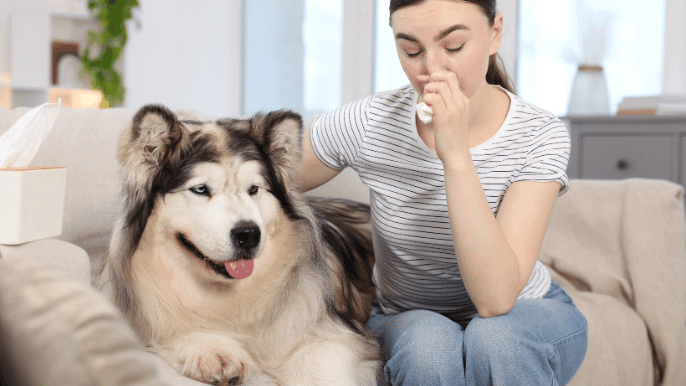
Hypoallergenic dogs are marketed as the perfect solution for allergy sufferers who want canine companionship. Countless families adopt Poodles, Doodles, or other supposedly allergy-friendly breeds only to discover they still experience sneezing, itching, watery eyes, and respiratory symptoms.
The term "hypoallergenic" misleads people into believing certain breeds produce no allergens. The reality is that all dogs produce proteins that trigger allergic reactions regardless of coat type, shedding level, or breed marketing claims.
This guide explains what actually causes dog allergies, why no breed is truly allergen-free, which breeds may reduce symptoms for some people, and what steps genuinely minimise allergen exposure.
What Actually Causes Dog Allergies
Understanding the source of allergic reactions clarifies why the concept of hypoallergenic dogs is fundamentally misleading.
Primary Allergen Sources
Dog allergies are triggered by proteins, not hair.
| Source | How It Spreads |
|---|---|
| Dander | Microscopic skin flakes that all dogs shed continuously |
| Saliva | Proteins transferred to fur through licking and grooming |
| Urine | Contains allergen proteins that become airborne when dry |
| Sebaceous gland secretions | Oils produced by skin |
The major allergen protein is Can f 1, produced in saliva, skin, and anal glands. This protein becomes airborne, settles on surfaces, and triggers immune responses in sensitive individuals. Other allergen proteins (Can f 2 through Can f 7) also contribute to reactions.
Why Coat Type Does Not Eliminate Allergens
Hair itself is not the allergen. The proteins causing reactions come from skin, saliva, and secretions that coat the hair.
Non-shedding breeds still produce dander, lick their coats, and secrete allergen proteins. They simply distribute these allergens differently than heavy-shedding breeds.
The Myth of Truly Hypoallergenic Dogs
No dog breed is completely hypoallergenic in the medical sense. The term is a marketing construction, not a scientific classification recognised by allergists or medical professionals.
| Biological Reality | Implication |
|---|---|
| Every dog has skin that sheds microscopic dander | All dogs release allergen particles |
| Every dog produces saliva containing allergen proteins | Grooming spreads allergens across coat |
| Every dog grooms itself | Saliva proteins coat all fur |
| Every dog produces sebaceous oils | Oils contain allergen proteins |
| Male dogs typically produce more Can f 5 allergen | Sex affects allergen levels |
Breed, coat type, size, and shedding level do not eliminate these fundamental biological processes. Claims that certain breeds are "100% hypoallergenic" are false and potentially harmful to allergy sufferers who adopt based on these promises.
Breeds Marketed as Hypoallergenic Dogs
While no breed eliminates allergen production, certain breeds may produce lower levels or distribute allergens less widely due to coat characteristics.
| Breed | Coat Type | Why Marketed as Hypoallergenic |
|---|---|---|
| Poodle (Standard, Miniature, Toy) | Curly Wavy | Non-shedding coat retains dander |
| Bichon Frise | Curly Wavy | Similar coat structure to Poodles |
| Portuguese Water Dog | Curly Wavy | Curly, low-shedding coat |
| Maltese | Drop | Long, silky coat with minimal shedding |
| Yorkshire Terrier | Drop | Hair-like coat with minimal shedding |
| Miniature Schnauzer | Wire | Wiry coat with low shedding |
| Kerry Blue Terrier | Wire | Soft, wavy coat with minimal shedding |
| Soft Coated Wheaten Terrier | Curly Wavy | Silky coat with reduced shedding |
| Shih Tzu | Drop | Long coat with minimal shedding |
| Havanese | Drop | Silky coat with low shedding |
Doodle Breeds
Goldendoodles, Labradoodles, Bernedoodles, and other Poodle mixes are heavily marketed as hypoallergenic dogs, but genetics do not guarantee low allergen production.
Some Doodles inherit heavy-shedding coats from the non-Poodle parent and produce allergens at typical levels while requiring intensive grooming maintenance. Generation matters significantly. F1B and multigenerational Doodles with more Poodle genetics are more likely to have low-shedding coats than F1 crosses.
Why Some People React Less to Certain Breeds
Individual allergy sufferers may experience reduced symptoms around specific dogs or breeds, but this varies dramatically between people and does not follow predictable patterns.
| Factor | How It Helps |
|---|---|
| Lower dander distribution | Non-shedding coats keep more dander trapped rather than floating freely |
| Smaller size | Less total body surface means less dander production overall |
| Individual dog variation | Some dogs naturally produce less Can f 1 protein than others |
| Grooming frequency | Regular bathing and brushing removes dander and allergen proteins |
| Sex differences | Female dogs and neutered males typically produce fewer allergens than intact males |
These factors may make certain dogs more tolerable for some allergy sufferers, but they do not guarantee an allergen-free experience.
The FurHQ 5-Step Grooming Method: Technical Reality
Regular grooming is one of the most effective strategies for reducing allergen exposure. The FurHQ 5-Step Grooming Method (Audit, Prep, Bath, Dry, Finish) provides structure for consistent allergen removal regardless of breed.
"Learn the Method. Follow the Protocol. Complete the Mission."
Audit
Start every grooming session with a full health check. Run your hands over the entire dog. Check for lumps, bumps, and any changes in skin condition. Check the ears for signs of infection, smell, or buildup. Look at the nails for overgrowth or splitting. Check teeth and gums for tartar or inflammation.
For allergy sufferers, the Audit also assesses dander buildup. Part the coat and look at the skin. Visible flaking or a dusty appearance when you ruffle the coat indicates dander accumulation that needs addressing.
Prep
Prep varies by coat type. Curly Wavy Coat: full line brush with Long-Pinned Slicker Brush, mist Pawfect Finish Coat Spray before every brush session. Drop Coat: full line brush, mist spray before every session. Wire Coat: quick line brush focusing on furnishings (legs, beard, eyebrows), mist spray on furnishings only. Never dry brush without misting spray first.
For allergy management, brush outdoors when weather permits. This prevents dislodged dander from settling on indoor surfaces.
Bath
Use the correct shampoo for the coat type: Texture-Tastic Shampoo for Wire and Curly Wavy, Shimmer and Shine Shampoo for Drop. Use the Rubber Curry for bathing and skin stimulation to work product to the skin. Rinse thoroughly.
Apply Coat-Quench Conditioner. For Wire coats: furnishings, friction areas, and undercoat only. Never apply conditioner to the jacket , saddle , or backline. Rinse completely.
Weekly bathing significantly reduces allergen levels on the coat and skin.
Dry
Never air dry Curly Wavy or Drop coats. HV drying is ideal. Wait until 90 percent dry before brushing with the dryer and brush combination. Thorough drying prevents the damp environment where dander and bacteria thrive.
Finish
Verify with the appropriate comb. FurHQ Detail Comb for Curly Wavy, Drop, and Wire coats. The comb should glide through every section.
You got this.
Testing for Allergies Before Adoption
People with dog allergies who want to adopt should test their reactions to specific dogs rather than relying on breed claims about hypoallergenic dogs.
Spend extended time (two to four hours) with the specific dog you are considering. Visit multiple times over several weeks to assess reactions. Interact in enclosed spaces where allergen concentration is higher. Pet, play with, and let the dog lick you to test saliva allergen response.
Your reaction to one Poodle does not predict your reaction to another Poodle. Individual dogs vary significantly in allergen production, and your immune system may react differently to different animals even within supposedly hypoallergenic breeds.
Consider fostering before committing to adoption.
Reducing Allergen Exposure with Any Dog
If you choose to live with dogs despite allergies, specific strategies reduce allergen exposure more effectively than breed selection alone.
Home Environment
Use HEPA air purifiers in main living areas and bedrooms. Install HEPA vacuum cleaners and vacuum frequently. Remove carpeting in favour of hard floors that do not trap dander.
Wash bedding weekly in hot water. Keep dogs out of bedrooms entirely. Use allergen-proof covers on mattresses and pillows.
Grooming and Hygiene
| Strategy | Frequency | Why It Helps |
|---|---|---|
| Bathe dogs | Weekly | Removes dander and allergen proteins from coat |
| Brush dogs | Daily, outdoors | Prevents dander from spreading indoors |
| Wipe dogs with damp cloths | After outdoor activities | Removes surface allergens |
| Keep coats short | As needed | Reduces surface area holding allergens |
| Professional grooming | Every 4 to 6 weeks | Thorough cleaning and maintenance |
Have non-allergic family members handle grooming when possible. If the allergic person must groom, wear a mask and wash hands and face immediately afterwards. Groom outdoors when weather permits.
For proper bathing and drying techniques, see How to Dry a Dog After a Bath.
Personal Habits
Wash hands immediately after petting dogs. Change clothes after extended dog contact. Avoid touching your face after petting. Take allergy medications preventatively, not reactively. Work with an allergist to develop comprehensive management plans.
These strategies work regardless of breed and often prove more effective than relying on breed selection alone.
Medical Interventions for Dog Allergies
Allergy sufferers have multiple medical options beyond environmental controls and breed selection.
| Treatment | How It Works | Timeframe |
|---|---|---|
| Antihistamines | Reduce mild to moderate symptoms | Immediate relief |
| Nasal corticosteroids | Control nasal inflammation and congestion | Days to weeks |
| Immunotherapy (allergy shots) | Gradually desensitise immune response | 3 to 5 years |
| Sublingual immunotherapy | Tablets or drops under tongue | 3 to 5 years |
Immunotherapy successfully reduces or eliminates dog allergy symptoms in many patients, allowing them to live comfortably with dogs. Treatment requires commitment and time but may provide long-term solutions.
The Marketing Problem with Hypoallergenic Dogs
Breeders and pet stores heavily market certain breeds as hypoallergenic dogs to increase sales, creating dangerous expectations for allergy sufferers.
| Claim | Reality |
|---|---|
| "Perfect for people with allergies" | No breed is perfect for all allergy sufferers |
| "100% hypoallergenic" | Scientifically impossible; all dogs produce allergens |
| "Won't trigger any allergic reactions" | Individual reactions vary; no guarantees exist |
| "Allergen-free companion" | All dogs produce dander, saliva, and secretions |
| "Safe for allergy sufferers" | Safety depends on individual sensitivity and management |
These claims lack scientific support and lead to adoptions by families unprepared for allergic reactions. Many dogs end up surrendered to shelters when symptoms persist despite breed promises.
Grooming Requirements for "Hypoallergenic" Breeds
Breeds marketed as hypoallergenic dogs often require MORE grooming than typical breeds, not less. Their non-shedding coats trap dander but also mat easily and require consistent maintenance.
| Coat Type | Breeds | Grooming Needs | FurHQ Kit |
|---|---|---|---|
| Curly Wavy | Poodles, Bichons, Doodles | Daily brushing, professional grooming every 4 to 6 weeks | Curly Wavy Coat Kit |
| Drop | Maltese, Yorkies, Shih Tzus | Daily brushing, detangling, regular trims | Drop Coat Kit |
| Wire | Schnauzers, Scottish Terriers, Welsh Terriers | Regular brushing, hand stripping or clipping | Wire Coat Kit |
Regular grooming removes accumulated dander and allergen proteins from the coat. For allergy sufferers, consistent grooming is not optional. It is essential for symptom management.
The FurHQ Touch Test helps you monitor coat condition and detect problems early.
Common Misconceptions About Hypoallergenic Dogs
| Myth | Reality |
|---|---|
| "Non-shedding means hypoallergenic" | Shedding distributes dander, but non-shedding dogs still produce dander that becomes airborne |
| "Short-haired dogs produce fewer allergens" | Allergens come from skin, saliva, and secretions, not hair length |
| "One breed works for all allergy sufferers" | Individual reactions vary dramatically between people |
| "Frequent bathing eliminates allergens" | Bathing temporarily reduces allergen levels but does not stop production |
| "Hypoallergenic breeds cost more because they're better" | Higher prices reflect demand from marketing, not actual allergen reduction |
Realistic Expectations for Allergy Sufferers
People with dog allergies who want dogs must approach adoption with honest assessment.
How severe are your allergic reactions currently? Are you willing to take daily medication indefinitely? Can you commit to weekly bathing and daily brushing? Will you install HEPA filtration throughout your home? Can you afford immunotherapy if needed? Are you prepared to rehome the dog if symptoms become unmanageable?
If your allergies are severe (causing asthma attacks or anaphylaxis), no amount of breed selection, environmental control, or grooming will make dog ownership safe or comfortable. Consult an allergist before adopting any dog.
Mondo's Pro Tip
There is no such thing as a dog that does not produce dander. There are dogs that hold onto it longer instead of dropping it on your couch. That is not the same thing. If allergies are the issue, grooming consistency matters more than breed selection. Brush daily, bathe weekly, and let the results speak.
Related Reading
Breed Guides
- Goldendoodle Generations Explained
- Labradoodle Generations Explained
- Bernedoodle Generations Explained
Coat Type Guides
- Curly Wavy Coat Dogs: Complete Care Guide
- Drop Coat Dogs: Complete Grooming Guide
- Wire Coat Dogs: Complete Home Maintenance Guide
- Dog Coat Types Explained
Grooming Techniques
- Line Brushing Technique
- How to Dry a Dog After a Bath
- The FurHQ Touch Test
- How to Use Pawfect Finish Coat Spray
- Dog Grooming Brushes: A Complete Guide by Coat Type
The Bottom Line
Hypoallergenic dogs do not exist in the sense that marketing claims suggest. Every dog produces allergen proteins in dander, saliva, and secretions regardless of breed, coat type, or shedding level.
Certain breeds may reduce allergen distribution through non-shedding coats that trap dander. Individual dogs vary in allergen production levels. But no breed guarantees symptom-free living for allergy sufferers.
Test your reaction to specific dogs before adoption. Implement comprehensive environmental controls including HEPA filtration and frequent grooming. Consider medical interventions like immunotherapy. Maintain realistic expectations about symptom management.
The breeds commonly marketed as hypoallergenic dogs may work for some allergy sufferers through a combination of lower allergen distribution and diligent management. They are not miracle solutions.
Choose dogs based on individual compatibility and realistic allergen management rather than marketing promises. Use the FurHQ AI Coat Identifier to understand grooming requirements for any breed you are considering.
You got this. And we've got you. 🐾
FAQs
Are hypoallergenic dogs really hypoallergenic?
No, hypoallergenic dogs are not truly allergen-free. All dogs produce allergen proteins in dander, saliva, urine, and sebaceous secretions regardless of breed or coat type. The term "hypoallergenic" is a marketing construction, not a scientific classification. Certain breeds may reduce allergen distribution through non-shedding coats that trap dander rather than releasing it into the environment, but they still produce the Can f 1 protein and other allergens that trigger reactions in sensitive individuals.
What causes dog allergies if not fur?
Dog allergies are caused by proteins found in dander (microscopic skin flakes), saliva, urine, and sebaceous gland secretions, not the fur itself. The primary allergen is Can f 1 protein, produced in saliva, skin, and anal glands. These proteins become airborne, settle on surfaces, and trigger immune responses. Hair simply carries these allergen proteins after dogs lick their coats during grooming. Non-shedding breeds still produce all these allergens.
Which dog breeds are best for people with allergies?
Breeds commonly recommended for allergy sufferers include Poodles (all sizes), Bichon Frise, Portuguese Water Dog, Maltese, Yorkshire Terrier, Schnauzers, Kerry Blue Terrier, and Soft Coated Wheaten Terrier. These breeds have non-shedding or low-shedding coats that trap dander rather than distributing it widely. However, individual reactions vary dramatically, and some people react severely to these supposedly hypoallergenic dogs while tolerating heavy-shedding breeds. Always test your reaction to specific dogs before adoption.
Are doodles hypoallergenic?
Doodles (Goldendoodles, Labradoodles, etc.) are heavily marketed as hypoallergenic dogs, but genetics don't guarantee low allergen production or non-shedding coats. Some doodles inherit heavy-shedding coats from the non-Poodle parent and produce allergens at typical levels. Others may have Poodle-like coats with reduced shedding. Individual variation within litters is significant, making doodles unreliable choices for allergy sufferers despite marketing claims. Test your reaction to the specific dog you're considering.
Do hairless dogs cause fewer allergies?
No, hairless dogs like Chinese Cresteds still produce allergen proteins in dander, saliva, and skin secretions. While they eliminate allergens carried on shed hair, they continuously shed skin cells containing Can f 1 and other allergen proteins. Some allergy sufferers find hairless breeds more tolerable because allergen distribution differs, but others react just as severely. Hairless dogs are not guaranteed hypoallergenic solutions.
How can I reduce dog allergens in my home?
Reduce dog allergens by using HEPA air purifiers in main living areas, installing HEPA vacuum cleaners and vacuuming frequently, removing carpeting for hard floors, washing bedding weekly in hot water, keeping dogs out of bedrooms, bathing dogs weekly, brushing daily outdoors, wiping dogs with damp cloths after activities, and washing hands immediately after petting. These environmental controls work for any breed and often prove more effective than relying on hypoallergenic dogs alone.
Can you build immunity to dog allergies?
Some people develop tolerance to specific dogs over time through constant low-level exposure, but this isn't guaranteed and doesn't work for everyone. Medical immunotherapy (allergy shots or sublingual drops) can successfully reduce or eliminate dog allergy symptoms over 3 to 5 years by gradually desensitizing the immune response. This treatment requires commitment but may provide long-term solutions allowing comfortable cohabitation with dogs. Consult an allergist about immunotherapy options.
Do female dogs cause fewer allergies than male dogs?
Yes, female dogs and neutered males typically produce fewer allergens than intact male dogs. Males produce more Can f 5 allergen protein, particularly intact males. However, this difference is relatively minor compared to individual variation between dogs. Choosing a female or neutered male may slightly reduce allergen exposure but doesn't guarantee an allergen-free experience. Sex is one factor among many affecting total allergen production.
Should I get allergy tested before adopting a hypoallergenic dog?
Yes, get tested by an allergist to confirm dog allergies and understand severity before adoption. Then spend extended time (2 to 4 hours) with the specific dog you're considering, visit multiple times over weeks, interact in enclosed spaces, pet and play to test reactions, and consider fostering before committing. Your reaction to one Poodle doesn't predict reactions to another. Individual dogs vary significantly in allergen production even within supposedly hypoallergenic breeds.
Why do I still have allergies with a hypoallergenic dog?
You have allergies because hypoallergenic dogs still produce allergen proteins in dander, saliva, and secretions just like any other dog. Marketing claims about allergen-free breeds are false. Non-shedding coats may trap more dander rather than distributing it widely, but dogs continuously produce new dander, lick their coats spreading saliva allergens, and secrete proteins from skin. If you adopted expecting zero symptoms, the breed marketing misled you about realistic allergen exposure levels.
Can immunotherapy cure dog allergies?
Immunotherapy (allergy shots or sublingual drops) can significantly reduce or eliminate dog allergy symptoms in many patients over three to five years of treatment. It works by gradually desensitising the immune system to dog allergen proteins. It requires commitment and time but may provide long-term solutions for people who want to live with dogs, including breeds not marketed as hypoallergenic dogs.
Should I test my allergies before adopting?
Absolutely. Spend extended time (two to four hours) with the specific dog you are considering, multiple times over several weeks. Interact in enclosed spaces. Pet and play with the dog. Monitor symptoms carefully. Your reaction to one Poodle does not predict your reaction to another. Individual dogs vary significantly in allergen production, even within breeds marketed as hypoallergenic dogs.
Do smaller dogs produce fewer allergens?
Generally yes, because less body surface area means less total dander production. However, a small dog in a small room can produce enough allergens to trigger reactions. Size reduces total allergen volume but does not eliminate it. A small Bichon in a bedroom can be as problematic as a large Labrador in a large living room depending on ventilation and allergen sensitivity.
What grooming tools do breeds marketed as hypoallergenic need?
Curly wavy coat breeds need a Long-Pinned Slicker Brush, FurHQ Detail Comb, and Pawfect Finish Coat Spray for daily brushing. Drop coat breeds need a Long-Pinned Slicker Brush, Pin Brush, and FurHQ Detail Comb. Wire coat breeds need a Medium-Pinned Slicker Brush and FurHQ Detail Comb. Every kit also includes Stay Put System, Hush Pup Wrap, Rubber Curry, Ear Wipes, and Pawfect Finish Coat Spray.
Do hypoallergenic dogs need more or less grooming?
More. Breeds marketed as hypoallergenic dogs typically have non-shedding coats (curly wavy, drop, wire) that mat easily and require daily brushing and professional grooming every four to six weeks. Curly wavy coats are the most demanding of all seven coat types for daily maintenance. The non-shedding quality that reduces allergen distribution comes with significantly higher grooming requirements.
Can I just shave a hypoallergenic dog to reduce allergens?
No. Allergens come from skin, saliva, and secretions, not from the hair itself. Shaving does not reduce allergen production. It may actually increase airborne dander by removing the coat that was trapping it. For curly wavy and drop coats, keeping the coat shorter (through professional trimming, not shaving) can reduce the surface area that holds allergens, but regular bathing and brushing are far more effective strategies than length changes.
Where can I get the right grooming kit for my dog?
FurHQ builds coat-specific kits for all seven coat types: FurHQ Starter Grooming Kit: Smooth Single Coat, FurHQ Starter Grooming Kit: Short Double Coat, FurHQ Starter Grooming Kit: Medium Plush Double Coat, FurHQ Starter Grooming Kit: Feathered Long Double Coat, FurHQ Starter Grooming Kit: Wire Coat, FurHQ Starter Grooming Kit: Curly Wavy Coat, and FurHQ Starter Grooming Kit: Drop Coat. Not sure which coat type your dog has? Use the FurHQ AI Coat Identifier to find out. Browse everything at the FurHQ Store.