
Bichon Frise Temperament and Grooming Considerations
Table of Contents
- Introduction: The Cheerful Cloud
- Breed Handling Profile
- Breed Purpose and Why It Matters for Bichon Frise Temperament
- FurHQ Coat Type Breakdown
- Not Sure About Your Dog's Coat Type?
- Puppy Coat to Adult Coat Transition
- The FurHQ 5-Step Grooming Method: Technical Reality
- FurHQ Starter Grooming Kit Breakdown
- Superpowers and Kryptonite
- FurHQ's Lifestyle Lens and Pro Insights
- Health and Lifespan: The FurHQ Touch Test
- Related Breed Comparisons
- Related Reading
- The Bottom Line
- Variation Clarity Statement
- FAQs
 Introduction: The Cheerful Cloud
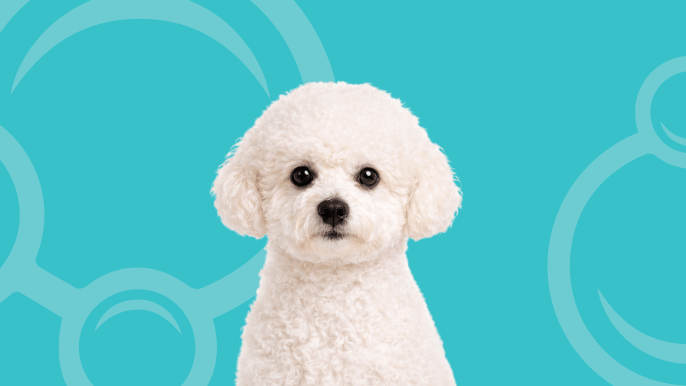
Bichon Frise Temperament is what happens when a breed built for the sole purpose of making humans happy gets wrapped in a coat that looks like a cotton ball and requires the grooming commitment of a show pony.
This is a dog designed over centuries to be charming, affectionate, and irresistible, and it delivers on all three promises. Understanding Bichon Frise Temperament means understanding that behind the adorable powder-puff exterior lives a genuinely joyful, surprisingly sturdy little dog that bonds deeply, adapts readily, and has exactly one notable challenge: the coat.
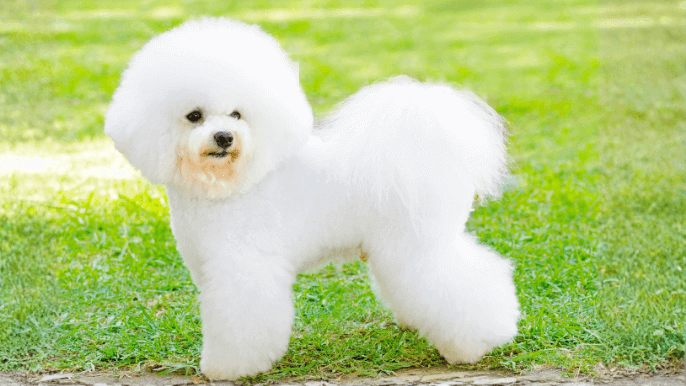
The curly wavy coat is the Bichon Frise's signature and its highest maintenance feature. Unlike double coated breeds that shed their coat onto your furniture, the Bichon Frise's curly wavy coat traps dead hair within the curl structure.
This is why the breed is often called "non-shedding" or "hypoallergenic," though neither term is entirely accurate. The dead hair stays in the coat rather than falling out, which means less hair on your sofa but significantly more hair trapped in the coat waiting to mat. Bichon Frise Temperament and coat care are inseparable because neglecting the coat creates discomfort that directly affects the dog's behaviour and trust.
Understanding Bichon Frise Temperament also means appreciating that this breed thrives on companionship. These dogs were bred to be with people, and they genuinely suffer when left alone for extended periods. The grooming routine is not just coat maintenance. For a Bichon Frise, it is a bonding ritual that reinforces the connection the breed craves.

Let me tell you the truth about the Bichon Frise - because this is the breed that everyone falls in love with… and almost no one grooms correctly.
I see more matted Bichons in grooming salons than almost any other breed.
Not because owners do not care.
But because the coat is deceptive.
The curly wavy coat looks fluffy and clean on the surface while mats form silently against the skin underneath. It hides neglect exceptionally well - until it suddenly doesn’t.
By the time many owners realise something is wrong, the coat has compacted into a dense, felted pelt that can only be removed by shaving.
And that is the heartbreaking part.
Because it is entirely preventable.
Understanding Bichon Frise Temperament is what makes proper grooming possible - because behaviourally, this breed is not difficult to maintain.
Quite the opposite.
Bichons want to be near you.
They want your attention.
And they generally tolerate handling beautifully.
They work with you, not against you.
Grooming cooperation is rarely the challenge.
The coat is.
The transition from puppy coat to adult coat is where most matting disasters begin. During this period, daily brushing is non-negotiable as the soft puppy texture mixes with the denser adult curl structure.
After transition, regular brushing remains essential for life.
No exceptions.
No holidays.
No skipping a week because the coat “looks fine.”
Because what you see on the surface is rarely what is happening underneath.
So let’s talk alignment.
This breed is NOT for you if:
You want a low-maintenance coat
You are unable to commit to routine brushing
You prefer “wash and go” grooming
You travel frequently without coat care support
Because Bichon Frise coat care requires consistency more than complexity.
This breed IS for you if:
You enjoy grooming as a bonding ritual
You are willing to brush regularly
You appreciate the artistry of a maintained curly coat
You want a cooperative grooming partner
You value temperament as much as appearance
Bichon Frise Temperament rewards that grooming commitment with one of the most genuinely joyful personalities in the dog world.
These dogs are happy.
Not performatively happy.
Not situationally happy.
Authentically, consistently, infectiously happy.
They brighten rooms.
They soften moods.
They create emotional lift simply by existing beside you.
Maintain the coat.
Respect the transition period.
Never trust surface fluff alone.
Do that, and you will share your life with one of the most delightful, affectionate, and emotionally uplifting companions in the companion dog world - a breed that gives joy as generously as it receives care.
Breed Handling Profile
| Trait | Level | Notes |
|---|---|---|
| Emotional sensitivity | Moderate to High | Responsive to tone. Thrives on positive interaction and praise. |
| Handling tolerance | High | Generally cooperative and enjoys grooming attention as bonding time. |
| Grooming commitment | Very High | Curly wavy coat traps dead hair. Daily brushing during transition, regular for life. |
| Exercise needs | Moderate | Playful and energetic but satisfied with moderate daily activity. |
| Alone time tolerance | Low | Bred for companionship. Prone to separation anxiety when routinely isolated. |
| Best fit household | Individuals or families with time for daily grooming and consistent companionship. |
Breed Purpose and Why It Matters for Bichon Frise Temperament
The Bichon Frise descends from water spaniels of the Mediterranean, with origins tracing through the Canary Islands and eventually to the courts of Renaissance Europe.
By the 1500s, the breed had become a favourite of French and Spanish nobility, valued exclusively for companionship and the ability to charm everyone in the room.
Unlike breeds developed for hunting, herding, or guarding, the Bichon Frise was bred with a single purpose: to be the perfect companion.
This breeding history directly shaped Bichon Frise Temperament. The eagerness to please, the sociability, the adaptability, and the cheerful disposition are the result of centuries of selection for dogs that made their owners happy.
The performing era further refined Bichon Frise Temperament. After falling from aristocratic favour, the breed became popular with street performers and circus acts, where their intelligence, trainability, and love of attention made them natural entertainers.
FurHQ Coat Type Breakdown
The Bichon Frise carries a Curly Wavy Coat. Within the FurHQ seven-coat system, this coat type features dense, continuously growing curls that create the breed's signature powder-puff appearance. There is no undercoat in the traditional sense. The single layer of soft, dense curls traps dead hair against the skin instead of releasing it, which means minimal shedding but maximum matting risk.
The Long-Pinned Slicker Brush is the primary tool for working through the dense curls to the skin. The FurHQ Detail Comb verifies that brushing has reached the skin and catches developing mats that the slicker may have passed over. Pawfect Finish Coat Spray is essential at every brush session and post bath to provide slip and reduce breakage.
The recommended kit is the FurHQ Starter Grooming Kit: Curly Wavy Coat.
Not Sure About Your Dog's Coat Type?
Not every dog fits neatly into one coat category, and that is completely normal. Coat type determines the correct tools, products, and techniques for effective grooming, but identifying it is not always straightforward, especially with mixed breeds or puppies still developing their adult coat.
Use the FurHQ AI Coat Identifier to find out your dog's coat type and get matched to the right FurHQ Starter Grooming Kit. Simply upload a photo, and the tool provides a personalised kit recommendation based on your dog's actual coat.
Puppy Coat to Adult Coat Transition
Bichon Frise puppies experience one of the most significant coat transitions of any breed. The puppy coat is softer, wavier, and less dense than the adult coat.
Between 6 and 14 months, the adult curl pattern emerges, and this transition period is the most grooming-intensive stage of a Bichon's life.
DAILY brushing is required during this transition. The incoming adult curls tangle with the finer puppy coat, creating mats that form at the skin level with alarming speed.
Bichon Frise Temperament is generally cooperative during this period, which is fortunate because the brushing demands are significant. The FurHQ 5-Step Method provides essential structure during the transition, with the Audit step helping you identify where the adult coat is developing and where mats are forming.
Owners who establish a daily brushing routine during the transition period build the habits and trust that make lifelong coat care manageable. Owners who skip this stage often face a severely matted puppy that requires a full shave-down.
The FurHQ 5-Step Grooming Method: Technical Reality
The FurHQ 5-Step Method (Audit, Prep, Bath, Dry, Finish) applies to this coat type with emphasis on consistent mat prevention and thorough comb verification after every grooming session.
Learn the Method. Follow the Protocol. Complete the Mission.
Setup and Stability
Secure the dog using the Stay Put System (suction cup anchor + safety lead). For anxious dogs, the Zen Wrap provides calming compression that helps them settle into a cooperative grooming state.
Tools and Technique
Audit: Begin every session with a full hands-on health check. Run your hands over the entire body feeling for lumps, bumps, and skin changes. Check nail condition and length. For breeds prone to dental issues, check the teeth and gums.
Check inside the ears for redness, odour, or buildup. Then assess coat condition, parting the coat to feel for mats at the skin level. Focus on behind the ears, armpits, groin, collar area, and anywhere friction occurs. Curly coats hide mats completely while looking fine on the surface.
Prep: Brush through the coat to remove loose tangles before the bath. Mist with Pawfect Finish Coat Spray before any tool touches the coat. Never brush a curly wavy coat dry. Use the Long-Pinned Slicker Brush to work through any areas of resistance identified during the Audit.
Bath: Use Rubber Curry during bathing for skin stimulation and to help work shampoo to the skin. Rinse thoroughly.
Dry: Towel dry and use a dryer with a brush-through as the coat dries. Check density as you go. The coat should be dried thoroughly to the skin to prevent mildew and skin issues.
Finish: This is where the detailed tool work happens. Use the Long-Pinned Slicker Brush to work through the entire coat section by section. Follow every section with the FurHQ Detail Comb to verify brushing has reached the skin. If the comb catches, go back to the slicker. Slicker first, comb always. Apply Pawfect Finish Coat Spray for moisture, slip, and protection.
Chemistry and Coat Care
Texture-Tastic Shampoo is formulated for curly wavy coats, cleansing thoroughly while maintaining curl definition and texture. Coat-Quench Conditioner provides essential slip for the tangle-prone coat, reducing friction during brushing and preventing breakage.
Pawfect Finish Coat Spray is a natural formulation that protects, nourishes, and conditions the hair, leaving it soft, shiny.
On curly wavy coats, it serves as a brushing spray that makes dry or wet combing a breeze, an anti-static spray that controls frizz and flyaway hair, and a leave-in conditioner that facilitates detangling. It also repels dirt, decreases drying times, and keeps the coat fresh between full grooming sessions.
FurHQ Starter Grooming Kit Breakdown
The FurHQ Starter Grooming Kit: Curly Wavy Coat contains 9 items:
Coat-Specific Items (4):
- Texture-Tastic Shampoo: Supports curl structure and thorough cleaning
- Coat-Quench Conditioner: Slip, moisture, and tangle prevention
- Long-Pinned Slicker Brush: Working through dense curls to the skin
- FurHQ Detail Comb: Skin-level verification and mat detection
Standard Items (5, included in every kit):
- Stay Put System (suction cup anchor + safety lead + training tips)
- Zen Wrap
- Rubber Curry (for bathing and dry brushing/skin stimulation)
- Ear Wipes
- Pawfect Finish Coat Spray
 Superpowers and Kryptonite
Superpowers
🌟 Infectious cheerfulness: Bichon Frise Temperament is defined by a genuine, consistent joy that brightens every room the dog enters. This is not nervous energy. It is authentic happiness that lifts the mood of everyone around the dog.
🌟 Universal friendliness: Bichon Frises are friendly with virtually everyone, including strangers, children, other dogs, and cats. This sociability makes them excellent family dogs and therapy candidates.
🌟 Low-shed coat: While the grooming commitment is high, the curly wavy coat traps dead hair rather than depositing it on your furniture. For people who value clean homes but are willing to brush, this is a significant advantage.
🌟 Adaptable size: At 3 to 5 kilograms, the Bichon Frise fits comfortably in apartments, travels easily, and adapts to various living situations without requiring the space a larger breed demands.
🌟 Grooming cooperation: Bichon Frise Temperament includes a natural tolerance for handling that makes grooming easier than the coat complexity suggests. Most Bichons accept and even enjoy the attention.
🌟 Trainability with charm: The performing heritage translates to a dog that learns tricks readily, responds to positive training, and seems to understand that making people smile is its primary job.
Kryptonite
⚠️ Extreme grooming commitment: The curly wavy coat is one of the highest maintenance coat types in the FurHQ system. Daily brushing during the 6 to 14 month transition and regular brushing for life is the minimum. Neglect leads to matting that requires shaving.
⚠️ Separation anxiety: Bichon Frise Temperament is built around companionship, and extended time alone creates genuine distress. These dogs can develop destructive behaviours, excessive barking, and house-training regression when left alone too frequently or for too long.
⚠️ Tear staining: The white coat around the eyes is prone to reddish-brown tear staining that requires daily cleaning to prevent permanent discolouration. This is a cosmetic and hygiene concern that adds to the daily maintenance routine.
⚠️ Hidden matting: The curly coat looks fluffy and well-maintained on the surface while mats form silently against the skin. By the time matting is visible, it is often severe. Only hands-on combing to the skin reveals the true coat condition.
⚠️ Dental issues: Like many small breeds, Bichon Frises are prone to dental problems that can cause pain affecting eating, grooming tolerance, and overall Bichon Frise Temperament.
⚠️ Allergies and skin sensitivity: The breed is prone to skin allergies that can cause itching, hot spots, and coat quality changes. The dense curly coat can trap moisture against the skin, making thorough drying after bathing essential.
FurHQ's Lifestyle Lens and Pro Insights
These are the details that experienced Bichon Frise owners and professional groomers know. They address real-world Bichon Frise Temperament traits that make the difference between struggling and thriving with this breed.
The Surface Deception
The number one grooming mistake with a Bichon Frise is surface brushing. The fluffy curls look clean and tangle-free on top while a solid pelt of matted hair forms against the skin.
The only way to verify coat condition is to part the coat and comb to the skin with the FurHQ Detail Comb. If the comb glides freely, the section is clear. If it catches or stops, dead hair is trapped and matting has begun. Bichon Frise Temperament typically does not signal discomfort from early-stage matting, so the comb is your only reliable indicator.
The Professional Grooming Schedule
Most Bichon Frise owners benefit from professional grooming every 4 to 6 weeks for bathing, trimming, and a thorough comb-out. This professional maintenance supplements, but does not replace, regular home brushing.
Bichon Frise Temperament generally adapts well to professional grooming environments because of the breed's sociable nature, but dogs that are not brushed between appointments often arrive matted and require shaving rather than styling.
The Tear Stain Routine
The white facial hair around the eyes stains reddish-brown from tears, and this staining becomes permanent if not addressed daily.
Wipe under the eyes each morning and evening with a clean, damp cloth. Keep the facial hair trimmed short around the eye area. This daily attention takes less than a minute and prevents the staining that makes the dog look unkempt despite otherwise excellent coat care.
The Drying Method Matters
Never air dry a Bichon Frise after bathing. The curly wavy coat dries in compressed, tangled clumps when left to dry naturally, and you will spend more time detangling the air-dried coat than you would have spent drying it properly.
Use directed airflow with a dryer while brushing section by section. This produces the fluffy, separated texture that prevents immediate re-tangling and creates the signature Bichon appearance. Bichon Frise Temperament generally tolerates drying well when introduced gradually with positive associations.
The Companion Requirement
Bichon Frise Temperament is not suited to long hours alone. If your lifestyle requires the dog to be alone for eight or more hours daily, this may not be the right breed for you.
The separation anxiety that develops in isolated Bichons affects everything from house-training to coat condition, because stressed dogs may chew or scratch at their coat, creating additional matting and skin issues.
A Bichon Frise that has consistent companionship is calmer, healthier, and easier to groom.
Always comb to the skin after brushing - fluff hides mats. If the comb doesn’t glide, the coat isn’t finished.
Health and Lifespan: The FurHQ Touch Test
The Bichon Frise typically lives 14 to 15 years. This impressive longevity means grooming and health monitoring span many rewarding years.
Regular grooming sessions double as health checks when you use the FurHQ Touch Test. Run your hands systematically across the body during every grooming session, feeling for lumps, bumps, skin changes, heat spots, or areas of tenderness. The dense curly coat hides skin issues effectively, making hands-on assessment essential. Visual inspection alone is insufficient with this coat type.
Common health concerns that intersect with grooming include skin allergies that cause itching and hot spots hidden under the coat, bladder stones requiring awareness of urinary changes, patellar luxation affecting standing comfort during grooming, and dental disease that can cause face sensitivity and grooming resistance.
Bichon Frise Temperament makes health monitoring through grooming particularly effective because these dogs welcome the handling and physical contact that thorough grooming provides.
Related Breed Comparisons
If you are considering a Bichon Frise, these breeds share some characteristics but differ in important ways:
- Poodle Temperament: Shares the curly wavy coat classification and low-shedding characteristic but comes in multiple sizes and has a more athletic, driven temperament. Similar grooming commitment.
- Maltese Temperament: Similar size and companion focus but with a drop coat rather than curly wavy. Different grooming tools and techniques required.
- Havanese Temperament: Fellow Bichon family member with similar temperament but a silkier coat texture. Comparable grooming commitment.
- Coton de Tulear Temperament: Similar companion temperament and size with a cottony coat texture that shares some grooming characteristics. Also bred exclusively for companionship.
Related Reading
Curly Wavy Coat Grooming
Bathing and Drying
Matting and Coat Health
Tools and Products
Related Breed Blogs
The Bottom Line
Bichon Frise Temperament is pure joy wrapped in a coat that demands your attention. This breed delivers the kind of consistent, genuine happiness that makes every day better, paired with a grooming commitment that requires real dedication.
The coat is the price of admission for one of the most delightful temperaments in the dog world, and for owners who embrace the grooming routine as part of the relationship, it becomes a bonding experience rather than a chore.
If you are ready for the commitment, the FurHQ Starter Grooming Kit: Curly Wavy Coat gives you every tool and product needed to keep the curly coat healthy, mat-free, and beautiful. You do not need to be a professional groomer.
You need the Long-Pinned Slicker, the Coat-Appropriate Metal Comb, the Pawfect Finish Coat Spray before every session, and the discipline to never skip a week.
You got this. And we've got you. 🐾
Variation Clarity Statement
Every dog is an individual. While this profile describes typical breed characteristics, your specific dog may vary based on genetics, breeding, socialisation, and individual temperament. Coat type can also vary within breeds.
If you are unsure about your dog's coat type, use the FurHQ AI Coat Identifier to get accurate identification and the right kit recommendation.
FAQs
What coat type does a Bichon Frise have according to the FurHQ system?
The Bichon Frise has a Curly Wavy Coat. FurHQ classifies all dog coats into seven types:
- Curly Wavy Coat
- Drop Coat
- Wire Coat
- Smooth Single Coat
- Short Double Coat
- Medium and Plush Double Coat
- Feathered Long Double Coat
The curly wavy coat is a single layer of dense curls that traps dead hair rather than shedding it. This means less hair on your furniture but significantly higher grooming commitment to remove the trapped dead hair.
Are Bichon Frises really hypoallergenic?
No dog is truly hypoallergenic. Bichon Frise Temperament and coat type do produce fewer airborne allergens than heavy-shedding breeds because the dead hair and dander stay trapped in the coat rather than floating through the air. However, the proteins in saliva, urine, and skin that cause allergic reactions are still present. Bichon Frises are considered a better choice for allergy sufferers, but they are not allergen-free.
How often do I need to brush my Bichon Frise?
Every other day at minimum during normal coat maintenance. DAILY during the puppy to adult coat transition between 6 and 14 months. Always use Pawfect Finish Coat Spray at every session and post bath. Always verify with the FurHQ Detail Comb. Bichon Frise Temperament cooperates willingly with consistent, gentle sessions.
Why does my Bichon Frise get matted even though I brush regularly?
Surface brushing is the most common cause. The Long-Pinned Slicker may glide over the fluffy top layer while dead hair compacts against the skin underneath. Always brush to the skin, not just the surface. Part the coat, place the slicker at the skin line, and brush outward. Then verify with the FurHQ Detail Comb. If the comb catches, trapped dead hair remains.
Can I air dry my Bichon Frise after a bath?
Air drying a curly wavy coat is strongly discouraged. The coat dries in compressed, tangled clumps that are more difficult to detangle than wet coat. Use directed airflow with a dryer while brushing section by section. This separates the curls, prevents clumping, and produces the fluffy texture that resists re-tangling. Bichon Frise Temperament adapts well to dryers when introduced gradually with positive associations.
How often should a Bichon Frise see a professional groomer?
Every 4 to 6 weeks for professional bathing, trimming, and thorough comb-out is typical. Professional grooming supplements but does not replace home brushing. A Bichon Frise that arrives at the groomer matted after six weeks of no home brushing will likely need to be shaved rather than styled.
How do I handle tear staining on my Bichon Frise?
Wipe under the eyes morning and evening with a clean, damp cloth to remove tear residue before it stains the white hair. Keep the facial hair trimmed short around the eye area. Consistent daily attention prevents the reddish-brown staining that becomes permanent if neglected. Tear staining is cosmetic but also indicates that the eye area needs regular hygiene attention.
Is the Bichon Frise good for first-time dog owners?
Bichon Frise Temperament is excellent for first-time owners who understand the grooming commitment. The breed's cooperative nature, trainability, and forgiving personality make the learning curve gentle. However, first-time owners who underestimate the grooming requirement often find themselves with a matted dog within months. Go in with eyes open about the brushing schedule and the Bichon Frise is a wonderful first dog.
Can I keep my Bichon Frise in a short clip to reduce grooming?
Yes. A shorter clip reduces brushing time and mat risk significantly while maintaining the breed's charm. Many Bichon Frise owners opt for a puppy clip or utility clip that keeps the coat at 1 to 2 inches. Bichon Frise Temperament is unaffected by coat length. The dog is just as happy in a short clip. Even with a shorter clip, regular brushing and professional maintenance are needed, just less frequently.
Why does my Bichon Frise follow me everywhere?
Bichon Frise Temperament is built around companionship. These dogs were bred for centuries to be with their person at all times. Following you is natural breed behaviour, not a behaviour problem. It becomes a concern only if the dog cannot tolerate any separation without distress. Gradual conditioning to short periods alone, starting in puppyhood, helps build healthy independence without suppressing the bonding instinct that defines the breed.
Does the Bichon Frise shed at all?
The curly wavy coat does shed, but the dead hair stays trapped in the coat rather than falling onto furniture and clothing. This is why the breed appears non-shedding. The trapped dead hair is what creates mats when not removed through regular brushing. Bichon Frise Temperament does not change with coat maintenance, but the dog's comfort depends on removing the dead hair that accumulates continuously.
What tools are in the FurHQ Starter Grooming Kit: Curly Wavy Coat?
The FurHQ Starter Grooming Kit: Curly Wavy Coat contains 9 items: Texture-Tastic Shampoo, Coat-Quench Conditioner, Long-Pinned Slicker Brush, FurHQ Detail Comb, Stay Put System, Hush Pup Wrap, Rubber Curry, Ear Wipes, and Pawfect Finish Coat Spray. Every tool serves a specific function in the FurHQ 5-Step Method.
Does FurHQ have products for Bichon Frises?
Yes. The FurHQ Starter Grooming Kit: Curly Wavy Coat is designed specifically for curly wavy coat breeds like the Bichon Frise. Each kit includes step-by-step video tutorials and informational PDFs so you know exactly how to use every tool and product. You can also find additional products and add-on kits, including the Nail Kit, in the FurHQ Store.