

Yes. The FurHQ Starter Grooming Kit: Smooth Single Coat is designed specifically for smooth single coat breeds like the Rhodesian Ridgeback. Each kit includes step-by-step video tutorials and informational PDFs so you know exactly how to use every tool and product. You can also find additional products and add-on kits, including the Nail Kit, in the FurHQ Store.
Rhodesian Ridgeback Temperament and Grooming
By Mondo Fluffarino | FurHQ Blog Author & Chief Education Officer
Table of Contents
- Introduction: The African Lion Hound
- Breed Handling Profile
- Breed Purpose and Why It Matters for Rhodesian Ridgeback Temperament
- FurHQ Coat Type Breakdown
- Not Sure About Your Dog's Coat Type?
- Puppy Coat to Adult Coat Transition
- The FurHQ 5-Step Grooming Method: Technical Reality
- FurHQ Starter Grooming Kit Breakdown
- Superpowers and Kryptonite
- FurHQ's Lifestyle Lens and Pro Insights
- Health and Lifespan: The FurHQ Touch Test
- Related Breed Comparisons
- Related Reading
- The Bottom Line
- Variation Clarity Statement
- FAQs
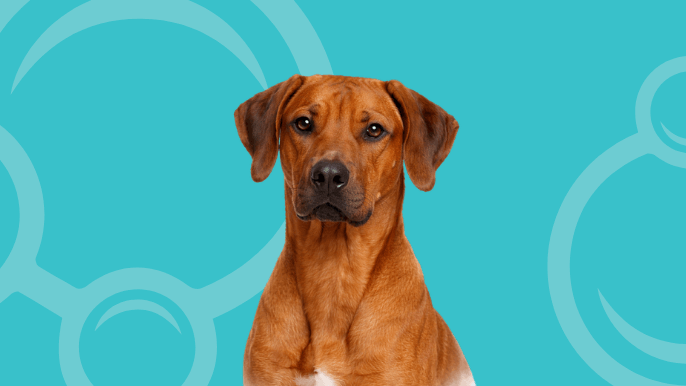
If you want a powerful, dignified, quietly confident companion that was bred to track lions across the African savanna and still carries that calm courage in every interaction, understanding Rhodesian Ridgeback Temperament is essential.
This is the breed that South African farmers developed to hunt in packs alongside mounted hunters, holding dangerous game at bay without engaging. Rhodesian Ridgeback Temperament is not built on aggression.
It is built on a calm, measured confidence that comes from generations of dogs that needed to think clearly in the presence of the most dangerous predator on the continent.
Rhodesian Ridgeback Temperament combines the athletic power of a large hound with a quiet dignity that sets this breed apart from most sporting and working dogs. These dogs do not seek attention.
They do not perform for approval. They watch, assess, and act with a deliberate intelligence that experienced owners describe as almost human in its thoughtfulness. When a Rhodesian Ridgeback decides you have earned its loyalty, the bond is deep, steady, and unshakable.
The smooth single coat is one of the simplest in the FurHQ system. Short, dense, and sleek with a distinctive ridge of hair growing in the opposite direction along the spine, the coat requires minimal tools and minimal time. Rhodesian Ridgeback Temperament during grooming is generally cooperative and calm, which suits the breed's overall demeanour of quiet tolerance for necessary activities.
If you want a dog that walks into every situation with a calm authority that larger, louder breeds cannot match, reads people and environments with remarkable intelligence, and offers a loyalty so deep and steady it redefines what you thought a dog-human bond could be, understanding Rhodesian Ridgeback Temperament is the first step.
These dogs offer one of the most compelling combinations of power and gentleness in the hound group. They are confident without being aggressive, protective without being reactive, and beautiful in a muscular, functional way that reflects their African hunting heritage.
Now let's talk grooming. Honestly.
Rhodesian Ridgeback Temperament makes grooming sessions straightforward and calm. The breed's patient, cooperative nature means grooming is typically uneventful in the best possible way.
The smooth single coat requires minimal maintenance:
- No undercoat to manage
- No feathering to detangle
- No seasonal coat blow
- Short, dense texture that stays clean naturally
Grooming is genuinely the least of your concerns with this breed.
Where ownership becomes more nuanced is not the coat. It is the size, the strength, and the quiet willpower.
This breed is NOT for you if:
- You are a first-time dog owner without professional training support
- You cannot provide firm, consistent leadership without physical force
- You live in a small space without access to adequate exercise areas
- You want an immediately obedient, eager-to-please dog
- You are not physically capable of handling a powerful, 36 to 41 kilogram dog
Because Rhodesian Ridgeback Temperament includes:
- A quiet stubbornness that tests boundaries through patience, not defiance
- Natural guarding instinct that requires proper socialisation to prevent overprotection
- Physical strength that makes an untrained adult genuinely difficult to manage
- Independence that means this dog respects leadership, not demands
- Reserve with strangers that can become suspicion without proper socialisation
This breed IS for you if:
- You have experience with large, strong-willed breeds
- You provide calm, consistent leadership and enjoy earning a dog's respect
- You lead an active lifestyle with space for a large, athletic dog
- You want a quiet, dignified companion that does not demand constant attention
- You appreciate a protective nature that is controlled, not reactive
Rhodesian Ridgeback Temperament rewards experienced, confident owners with one of the most loyal, dignified, and deeply bonded companion relationships in the hound group, a breed that stands beside you with a quiet strength that makes you feel genuinely accompanied.
Breed Handling Profile
| Trait | Level | Notes |
|---|---|---|
| Emotional sensitivity | Moderate | Confident but attuned to owner; responds to calm, fair handling |
| Handling tolerance | High | Generally cooperative and patient during grooming; tolerates handling well |
| Grooming commitment | Low | Smooth single coat requires minimal tools and time |
| Exercise needs | High | Athletic and powerful; needs daily vigorous exercise |
| Alone time tolerance | Moderate | Reasonably independent but bonds deeply; can develop anxiety if isolated |
| Best fit household | Experienced owners with space, active lifestyles, and calm, confident leadership style |
Breed Purpose and Why It Matters for Rhodesian Ridgeback Temperament
The Rhodesian Ridgeback was developed in southern Africa by European settlers who crossed their hunting dogs with the ridged Khoikhoi dogs native to the region. The resulting breed was used to track and bay lions, holding the game at a distance for mounted hunters without engaging in combat. The dogs also served as farm guardians, protecting homesteads from predators and intruders across vast, isolated properties.
This dual heritage of lion hunter and farm guardian directly shaped Rhodesian Ridgeback Temperament. The ability to remain calm and strategic in the presence of a lion required dogs with extraordinary nerve, independence, and measured courage.
The guarding role required dogs that could assess threats accurately without reacting to every sound or movement. Rhodesian Ridgeback Temperament today reflects both these roles: the calm assessment of a hunter that cannot afford to panic, and the measured protectiveness of a guardian that distinguishes genuine threats from normal activity.
The smooth coat was essential for a dog working in the African heat. No excess hair, no undercoat to trap heat, and a sleek surface that was inhospitable to ticks and parasites common in the African bush. Rhodesian Ridgeback Temperament and the smooth single coat are both products of a harsh environment that demanded functional efficiency.
FurHQ Coat Type Breakdown
The Rhodesian Ridgeback wears a Smooth Single Coat as classified in the FurHQ seven-coat system.
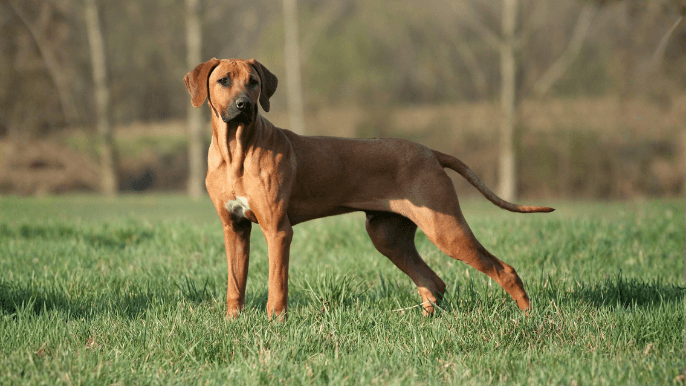
The coat is short, dense, sleek, and glossy with a slightly oily quality that provides natural weather resistance. The breed's most distinctive feature is the ridge of hair growing in the opposite direction along the spine, formed by two crowns (whorls) at the top and tapering toward the hip. The ridge does not affect grooming technique but is important for health monitoring because dermoid sinus, a congenital condition, can occur along the ridge line.
The Rhodesian Ridgeback sheds lightly to moderately year-round. The short hairs are needle-like and embed into fabric, making them more noticeable on furniture and clothing than their size would suggest. Regular brushing with the Rubber Curry loosens dead coat efficiently, and the Boar Bristle Brush distributes natural oils and polishes the coat to its characteristic sheen.
The recommended kit is the FurHQ Starter Grooming Kit: Smooth Single Coat.
Not Sure About Your Dog's Coat Type?
Every dog is an individual, and coat types can sometimes surprise you. If you are unsure whether your dog's coat is truly a smooth single coat, use the FurHQ AI Coat Identifier. Simply upload a photo of your dog and get an accurate coat type classification with the right kit recommendation. No guessing required.
Puppy Coat to Adult Coat Transition
Rhodesian Ridgeback puppies are born with a soft coat that transitions to the adult smooth single coat quickly and without complication. By 4 to 6 months, the adult coat texture is essentially established. The ridge is present from birth and does not change during the coat transition.
The critical focus during puppyhood is not coat management but handling desensitisation and socialisation. Rhodesian Ridgeback Temperament in puppyhood is more open and social than in adulthood, making the socialisation window critically important. This is a large, powerful breed that will be difficult to manage as an adult if it is not properly socialised and trained during the formative months.
Start gentle brushing with the Boar Bristle Brush from 8 weeks. Handle the paws, ears, mouth, and the ridge area regularly. Rhodesian Ridgeback Temperament responds well to calm, positive handling during puppyhood, and these early grooming sessions establish the cooperative behaviour that makes adult grooming effortless.
The FurHQ 5-Step Grooming Method: Technical Reality
The FurHQ 5-Step Method (Audit, Prep, Bath, Dry, Finish) applies to this coat type with emphasis on skin health monitoring and efficient sessions that match the coat's low-maintenance structure.
Learn the Method. Follow the Protocol. Complete the Mission.
Setup and Stability
Secure the dog using the Stay Put System (suction cup anchor + safety lead). For anxious dogs, the Hush Pup Wrap provides calming compression. Smooth coats require shorter grooming sessions, so the setup routine should be quick and consistent.
Tools and Technique
Audit: Begin every session by running your hands over the entire body. On a smooth coat, you are checking skin condition more than coat condition. Feel for lumps, bumps, dry patches, irritation, and any changes. The short coat makes skin issues visible and detectable early, which is one of the advantages of this coat type.
Prep: Use the Boar Bristle Brush in the direction of coat growth to remove loose hair, distribute natural oils, and stimulate the skin. Smooth coats do not require coat spray during dry brushing, though a light application of Pawfect Finish Coat Spray adds shine.
Bath: Use Rubber Curry during bathing for thorough skin stimulation and to loosen dead coat. The short coat allows water and shampoo to reach the skin quickly. Rinse thoroughly.
Dry: Towel dry thoroughly. Smooth coats dry quickly due to their short length and lack of undercoat. A light brush-through with the Boar Bristle Brush during drying distributes oils and smooths the coat.
Finish: Final pass with the Boar Bristle Brush for a polished, smooth finish. A light mist of Pawfect Finish Coat Spray adds shine and skin protection.
Chemistry and Coat Care
Deep Clean Delight Shampoo provides a thorough cleanse suited to the smooth coat's direct skin contact. Coat-Quench Conditioner supports skin comfort and adds a healthy sheen. The smooth coat benefits from regular bathing on a consistent schedule because the short coat offers less natural protection from environmental exposure.
FurHQ Starter Grooming Kit Breakdown
The FurHQ Starter Grooming Kit: Smooth Single Coat contains everything you need to maintain the Rhodesian Ridgeback coat properly.
Standard Items (included in all FurHQ kits):
- Stay Put System (suction cup anchor + safety lead + training tips)
- Hush Pup Wrap
- Rubber Curry (for bathing and dry brushing)
- Ear Wipes
- Pawfect Finish Coat Spray
Coat-Specific Items:
Total: 8 items
Each kit includes step-by-step video tutorials and informational PDFs so you know exactly how to use every tool and product for the Rhodesian Ridgeback coat.
 Superpowers and Kryptonite
Superpowers 🦸
🌟 Calm confidence: Rhodesian Ridgeback Temperament produces a dog that handles every situation with a quiet assurance that is genuinely impressive. Nothing rattles this breed, and that calm energy is contagious for its owners.
🌟 Natural guardian: Rhodesian Ridgeback Temperament includes a protective instinct that is measured and appropriate. These dogs assess situations before reacting, making them one of the most reliable natural guardians without the reactive barking of dedicated guard breeds.
🌟 Low-maintenance coat: The smooth single coat is effortless to maintain. Two tools, a few minutes, and the Ridgeback gleams. No matting , no undercoat, no professional grooming needed.
🌟 Quiet nature: Unlike many large breeds, the Rhodesian Ridgeback is not a barker. Rhodesian Ridgeback Temperament includes a quiet dignity that neighbours appreciate. When this dog barks, it means something.
🌟 Athletic versatility: The breed excels at running, hiking, and outdoor adventures. Rhodesian Ridgeback Temperament makes this breed an exceptional companion for active owners who want a dog that can keep pace across any terrain.
🌟 Deep loyalty: The bond a Rhodesian Ridgeback forms with its family is profound and steady. This is not flashy devotion. It is a quiet, constant loyalty that deepens over years.
Kryptonite ⚠️
⚠️ Strong-willed independence: Rhodesian Ridgeback Temperament includes a quiet stubbornness that tests boundaries through patience rather than overt defiance. The breed respects leadership that is earned, not demanded.
⚠️ Size and strength: A 36 to 41 kilogram dog with athletic power requires an owner who can physically manage the dog and who invests in training before the dog reaches full size.
⚠️ Stranger reserve: Rhodesian Ridgeback Temperament includes natural wariness with strangers that requires proper socialisation. Without it, the protective instinct can become overprotective.
⚠️ Prey drive: The hunting heritage means the breed has significant prey drive. Rhodesian Ridgeback Temperament makes this dog a risk to cats and small animals in some cases, particularly those the dog was not raised with.
⚠️ Not for novice owners: The combination of size, strength, independence, and guarding instinct makes the Rhodesian Ridgeback genuinely challenging for inexperienced dog owners.
⚠️ Needle-like shedding: While the shedding volume is light, the short hairs embed into fabric and are surprisingly difficult to remove from furniture, car seats, and clothing.
FurHQ's Lifestyle Lens and Pro Insights
These are the details that experienced Rhodesian Ridgeback owners and professional groomers know. They address real-world Rhodesian Ridgeback Temperament traits that make the difference between struggling and thriving with this breed.
The Quiet Authority Principle
Rhodesian Ridgeback Temperament responds to calm, consistent leadership. Raised voices, physical corrections, and confrontational training methods do not produce obedience. They produce a dog that loses respect for its handler. The breed responds to owners who are fair, predictable, and quietly firm. If you find yourself yelling at your Ridgeback, you have already lost the conversation.
The Socialisation Imperative
Rhodesian Ridgeback Temperament in an under-socialised dog becomes overprotective and suspicious. The breed's natural guarding instinct needs proper calibration through extensive socialisation during the critical window before 16 weeks and continuing through adolescence. Expose the puppy to a wide variety of people, environments, and experiences. The goal is a dog that is appropriately watchful, not one that views every stranger as a threat.
The Exercise Reality
Rhodesian Ridgeback Temperament requires substantial daily exercise, but not the frantic, constant activity of herding breeds. The breed does well with one to two hours of vigorous exercise, including running, hiking, or structured play, followed by calm indoor behaviour. A properly exercised Ridgeback is one of the calmest large breeds in the home.
The Grooming Simplicity
Rhodesian Ridgeback Temperament during grooming is typically the easiest part of owning this breed. The calm, patient demeanour means the dog stands cooperatively while you work through the Rubber Curry and Boar Bristle Brush routine. The only consideration is the sheer size of the dog. Working systematically from head to tail ensures complete coverage across a large body surface.
Keep grooming simple but consistent - a rubber curry or hound glove weekly will lift dead coat, boost skin oils, and keep that signature wheaten shine dialed in.
Health and Lifespan: The FurHQ Touch Test
The Rhodesian Ridgeback typically lives 10 to 12 years. The smooth single coat makes visual and tactile health monitoring straightforward.
Regular grooming sessions double as health checks when you use the FurHQ Touch Test. Run your hands systematically across the body during every grooming session, feeling for lumps, bumps, skin changes, heat spots, or areas of tenderness. The Ridgeback's smooth coat makes the Touch Test particularly effective because everything is easy to see and feel.
Common health concerns that intersect with grooming include dermoid sinus (a tube-like opening along the ridge that can become infected), hip and elbow dysplasia, hypothyroidism affecting coat and skin, mast cell tumours that present as skin lumps, and degenerative myelopathy. The ridge line specifically should be palpated during every grooming session to monitor for dermoid sinus.
Rhodesian Ridgeback Temperament makes the Touch Test particularly valuable because the breed's stoic nature means it may not show obvious signs of pain or discomfort. The hands-on monitoring during grooming catches issues that the dog's high pain tolerance might otherwise mask.
Related Breed Comparisons
If you are considering a Rhodesian Ridgeback, these breeds share some characteristics but differ in important ways:
- Weimaraner Temperament: Similar smooth coat and athletic build. More needy and separation-anxious than the independent Ridgeback. Comparable exercise needs.
- Vizsla Temperament: Similar smooth coat and athletic build but with a much softer, more sensitive temperament. More people-oriented and less independent.
- Great Dane Temperament: Larger but with similar smooth coat simplicity. More gentle and less independent than the Ridgeback. Lower exercise needs.
- Doberman Pinscher Temperament: Similar smooth coat and guardian instinct. More handler-focused and trainable than the independent Ridgeback.
Related Reading
Smooth Single Coat Grooming
Bathing and Drying
Tools and Products
Related Breed Blogs
The Bottom Line
Rhodesian Ridgeback Temperament is quiet power with deep loyalty. This breed rewards experienced, confident owners with one of the most dignified, steady, and profoundly bonded companion relationships in the hound group. The coat is effortless. The dog requires leadership, socialisation, exercise, and respect. In return, you get a companion that stands beside you with a calm authority that makes you feel genuinely safe and accompanied.
If you are ready for a dog that earns your respect as much as you earn its, the FurHQ Starter Grooming Kit: Smooth Single Coat handles the coat in minutes. The deeper investment is in training, socialisation, and building the mutual respect that defines the best Rhodesian Ridgeback relationships.
You got this. And we've got you. 🐾
Variation Clarity Statement
Every dog is an individual. While this profile describes typical breed characteristics, your specific dog may vary based on genetics, breeding, socialisation, and individual temperament. Coat type can also vary within breeds. If you are unsure about your dog's coat type, use the FurHQ AI Coat Identifier to get accurate identification and the right kit recommendation.
FAQs
What is a Rhodesian Ridgeback's coat type in the FurHQ system?
The Rhodesian Ridgeback wears a smooth single coat in the FurHQ classification system. The distinctive ridge does not change the coat classification, as the hair texture and structure are consistent with a smooth single coat. FurHQ classifies all dog coats into seven types to ensure you get the right tools, products, and techniques for your specific dog:
- Curly Wavy Coat
- Drop Coat
- Wire Coat
- Smooth Single Coat
- Short Double Coat
- Medium Plush Double Coat
- Feathered Long Double Coat
Each coat type has a dedicated FurHQ Starter Grooming Kit designed with the exact tools and products that coat type needs.
How often should I groom my Rhodesian Ridgeback?
A weekly session with the Rubber Curry and Boar Bristle Brush maintains the smooth single coat effectively. Bathing should happen every 6 to 8 weeks or as needed. Apply Pawfect Finish Coat Spray post bath for finishing. Rhodesian Ridgeback Temperament makes grooming sessions quick and straightforward when handled with calm confidence.
What is the ridge and does it need special grooming?
The ridge is a strip of hair along the spine that grows in the opposite direction from the rest of the coat, bordered by two symmetrical crowns or whorls. It does not require special grooming tools. Run the Rubber Curry in both directions along the ridge to ensure thorough coverage. More importantly, check the ridge area during every grooming session for dermoid sinuses by feeling for unusual bumps or openings. Rhodesian Ridgeback Temperament allows thorough ridge examination during routine grooming.
Are Rhodesian Ridgebacks good family dogs?
For the right family. Rhodesian Ridgeback Temperament includes loyalty, protectiveness, and a calm household presence that can be excellent in families with older children. The considerations are the physical power, the need for experienced handling, the exercise requirements, and the thorough socialisation investment. Families with experience handling large, powerful breeds and commitment to socialisation find Ridgebacks to be outstanding companions.
Are Rhodesian Ridgebacks aggressive?
No. Rhodesian Ridgeback Temperament is confident and protective, not aggressive. A well-bred, well-socialised Ridgeback is calm, discerning, and proportional in its responses. The breed's guardian instinct manifests as watchful awareness rather than reactivity. Problems arise when the breed is poorly socialised, inconsistently handled, or placed with owners who cannot provide confident leadership.
How much exercise does a Rhodesian Ridgeback need?
A minimum of 60 to 90 minutes of vigorous daily exercise is the baseline. Rhodesian Ridgeback Temperament was shaped by all-day hunting across challenging African terrain, and that endurance is fully present. Running, hiking, and sustained outdoor activity in various conditions suit this breed well. An under-exercised Ridgeback becomes destructive and increasingly difficult to manage.
Are Rhodesian Ridgebacks easy to train?
Rhodesian Ridgeback Temperament includes independent intelligence that evaluates commands before complying. They are not difficult to train but require experienced, confident handling and positive methods. Harsh corrections create resistance rather than compliance. Consistent, fair training with clear expectations produces the best results. Expect a dog that respects a confident leader and tests an uncertain one.
What is a dermoid sinus?
A dermoid sinus is a congenital condition where a tube of skin extends inward from the skin surface along the ridge line. It can range from a shallow dimple to a deep tube that reaches the spinal cord. Reputable breeders screen for this condition at birth. Check the ridge area during every grooming session by feeling for any unusual bumps, depressions, or openings. Early detection is important for management and treatment.
Can Rhodesian Ridgebacks handle hot weather?
Better than most large breeds. Rhodesian Ridgeback Temperament includes genuine heat tolerance inherited from the African heritage. The smooth single coat and efficient build allow effective heat dissipation. While no dog should be exercised in extreme heat, Ridgebacks handle warm conditions more comfortably than heavily coated breeds. Always provide shade, fresh water, and avoid peak heat for strenuous exercise.
Do Rhodesian Ridgebacks have health problems?
Ridgebacks can be prone to dermoid sinus, hip and elbow dysplasia, hypothyroidism, bloat, mast cell tumours, and degenerative myelopathy. They are generally robust dogs that benefit from their working heritage. Regular grooming sessions with the FurHQ Touch Test help monitor for early signs of health changes. Rhodesian Ridgeback Temperament makes health monitoring straightforward.
How do I use the Rubber Curry on a Rhodesian Ridgeback?
Use the Rubber Curry in firm, gentle circular motions across the body to stimulate the skin and loosen dead hair. Work systematically from head to tail. Along the ridge, run the Rubber Curry in both directions to account for the opposing hair growth patterns. The Ridgeback's muscular build responds well to slightly firmer pressure than on leaner breeds. Follow with the Boar Bristle Brush.
How do I use Pawfect Finish Coat Spray on a Rhodesian Ridgeback?
Apply Pawfect Finish Coat Spray post bath only, using a single light misting over the coat after drying. Follow with the Boar Bristle Brush to distribute the spray evenly and create a polished shine on the wheaten coat. The smooth single coat needs very little product. One light application is sufficient.
Are Rhodesian Ridgebacks good with other dogs?
With proper socialisation. Rhodesian Ridgeback Temperament includes confidence and assertiveness that can create tension with other dominant dogs, particularly of the same sex. Early, thorough socialisation develops appropriate social skills. Careful introductions and management of same-sex dynamics are essential in multi-dog households.
Do Rhodesian Ridgebacks bark much?
Rhodesian Ridgeback Temperament includes a generally quiet household presence. These dogs are not excessive barkers. They alert to genuine changes in their environment but do not bark recreationally. The quiet composure is one of the breed's most appealing household qualities. When a Ridgeback does bark, it typically means something has genuinely caught its attention.
Is the Rhodesian Ridgeback good for first-time owners?
No. Rhodesian Ridgeback Temperament requires experienced handling. The combination of physical power, independent intelligence, strong will, and protective instinct demands an owner who understands large, powerful breeds and can provide confident, consistent leadership. First-time owners are better served by breeds with more forgiving temperaments while building their handling experience.