
Dog Teeth Brushing - How to Clean Your Dog's Teeth
Table of Contents
- Introduction
- Why Dog Teeth Brushing Matters
- What Brushing Achieves (and What It Cannot)
- The FurHQ 5-Step Grooming Method: Technical Reality
- Choosing the Right Tools
- Introducing Dog Teeth Brushing Gradually
- Step-by-Step Technique
- How Often to Brush
- Common Mistakes to Avoid
- Alternatives and Supplements to Brushing
- Professional Dental Cleanings
- Recognising Dental Problems
- Dog Teeth Brushing for Puppies
- Managing Resistance in Adult Dogs
- Special Considerations for Senior Dogs
- Building a Sustainable Routine
- Mondo's Pro Tip
- Related Reading
- The Bottom Line
- FAQs
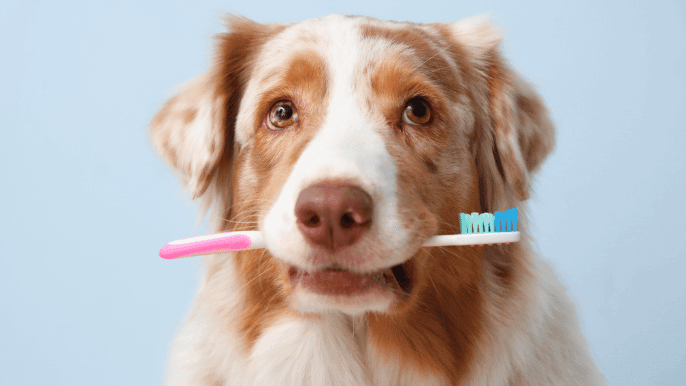 Introduction
Dog teeth brushing overwhelms pet parents who know dental care matters but feel intimidated by the process, worry about hurting their dog, or struggle with resistance during attempts.
Dental disease affects over 80 percent of dogs by age three. It causes pain, tooth loss, difficulty eating, and bacteria that enter the bloodstream to damage vital organs including the heart, kidneys, and liver.
Yet most owners never brush their dog's teeth despite veterinarians identifying it as the single most effective preventive measure.
This guide teaches step-by-step techniques for introducing dog teeth brushing to resistant dogs, identifies appropriate tools and products, sets realistic expectations, and helps you build sustainable routines.
Why Dog Teeth Brushing Matters
Dental disease is the most common health problem veterinarians diagnose.
Disease Progression
| Timeline | What Happens |
|---|---|
| Hours after eating | Plaque (soft bacterial film) forms on teeth |
| 24 to 72 hours | Minerals in saliva harden plaque into tartar (calculus) |
| Weeks to months | Bacteria irritate gums, causing gingivitis |
| Months to years | Untreated gingivitis progresses to periodontal disease |
| Advanced disease | Bacteria destroy bone and tissue, causing tooth loss and abscesses |
Health Consequences Beyond Teeth
Bacteria from diseased gums enter the bloodstream, travelling to major organs. Studies link periodontal disease to heart valve infections (endocarditis), kidney disease and failure, liver damage, increased risk of diabetes complications, and chronic pain affecting quality of life.
Cost Comparison: Prevention vs Treatment
| Care Type | Approximate Cost |
|---|---|
| Home dog teeth brushing (annual supplies) | $30 to $50 |
| Professional veterinary dental cleaning | $300 to $1,500 per procedure |
| Dental cleaning with extractions | $800 to $3,000 |
| Treatment for advanced periodontal disease | $1,500 to $5,000+ |
Regular dog teeth brushing significantly reduces frequency, severity, and costs while preventing painful disease progression between cleanings.
What Brushing Achieves (and What It Cannot)
Setting realistic expectations prevents frustration.
What Brushing Accomplishes
Removes soft plaque before it hardens into tartar. Reduces bacteria population on tooth surfaces and along gum lines. Slows tartar accumulation significantly. Maintains gum health between professional cleanings. Allows early detection of problems (loose teeth, lumps, bleeding).
What Brushing Cannot Do
Remove existing tartar once it has hardened (requires professional scaling). Reach below the gum line where serious periodontal disease develops. Replace professional veterinary dental cleanings. Reverse advanced bone loss.
Dog teeth brushing is preventive maintenance, not treatment.
The FurHQ 5-Step Grooming Method: Technical Reality
Dental health monitoring fits within the FurHQ 5-Step Grooming Method (Audit, Prep, Bath, Dry, Finish) as part of the overall health assessment.
"Learn the Method. Follow the Protocol. Complete the Mission."
Audit
Start every grooming session with a full health check. Run your hands over the entire dog. Check for lumps, bumps, and any changes in skin condition. Check the ears for signs of infection, smell, or buildup. Look at the nails for overgrowth or splitting. Check teeth and gums for tartar or inflammation.
For teeth specifically, lift the lips to look for tartar buildup, red or swollen gums, loose teeth, and bad breath beyond normal. The Audit catches developing dental problems early.
The FurHQ Touch Test formalises this assessment so nothing gets missed.
Prep or Finish
Actual dog teeth brushing can happen during either phase. Some owners prefer Prep before the bath. Others prefer Finish as part of final detail work. For dogs that find brushing stressful, it works better as a standalone session separate from grooming.
The key is building dental checks into your regular Audit so you are consistently monitoring oral health.
You got this.
Choosing the Right Tools
Toothbrush Options
| Type | Best For | Notes |
|---|---|---|
| Dog-specific toothbrushes | Most dogs | Angled heads, softer bristles designed for dog mouths |
| Finger brushes | Beginners, small dogs | Rubber covers with bristles; good control |
| Child's soft toothbrush | In a pinch | Works but less ideal than dog-specific |
| Electric toothbrushes | Dogs who tolerate them | Introduce very gradually |
Choose bristle softness and brush size appropriate for your dog. Small breeds need smaller brushes. Large breeds need larger heads.
Dog Toothpaste (Essential)
Never use human toothpaste for dog teeth brushing. Human toothpaste contains fluoride and xylitol, both toxic to dogs.
Dog toothpaste is safe to swallow (dogs do not rinse and spit) and comes in flavours dogs enjoy (poultry, beef, seafood, peanut butter). Quality dog toothpaste contains enzymes that break down plaque chemically.
Alternative Tools
Dental wipes for dogs who will not tolerate brushes. Gauze wrapped around your finger as a starter option. Water additives (less effective than brushing but better than nothing).
What Not to Use
Human toothpaste (toxic). Baking soda (too abrasive, unpleasant taste). Harsh or homemade solutions without veterinary approval.
Introducing Dog Teeth Brushing Gradually
Most resistance stems from unfamiliarity and rushing the process.
Week 1: Mouth Handling
Touch your dog's muzzle and lips gently during calm moments. Lift lips briefly to expose teeth, then release and reward. Practise multiple times daily for just a few seconds. Use high-value treats. Never force or restrain.
Week 2: Taste Introduction
Let your dog lick dog toothpaste from your finger. Once they eagerly lick it, apply toothpaste to your finger and gently rub it on front teeth. Gradually work toward back teeth over several days.
Week 3: Tool Introduction
Let your dog see, sniff, and lick the toothbrush. Apply toothpaste to the brush and let them lick it off. Touch the brush to teeth briefly without actual brushing. Reward immediately.
Week 4: Actual Brushing Begins
Brush just a few front teeth for 10 to 15 seconds. End the session and reward. Gradually increase the number of teeth and duration. Work up to 30 seconds to 2 minutes per session.
This gradual approach takes a month but builds tolerance that makes dog teeth brushing sustainable long-term.
Step-by-Step Technique
Positioning
Choose a comfortable, calm location with good lighting. Position your dog sitting or standing, whichever they prefer. The Stay Put System can help with positioning during dental care.
Avoid restraining forcefully. Gentle control works better.
Brushing Process
Apply dog toothpaste to the brush. Gently lift your dog's lip on one side to expose teeth. Angle the brush at 45 degrees where teeth meet gums.
Use gentle circular motions on the outer (cheek-side) tooth surfaces. Brush along the gum line where plaque accumulates most. Focus on outer surfaces because dogs' tongues naturally clean inner surfaces somewhat.
Work systematically: upper right, upper left, lower right, lower left. Aim for 30 seconds per quadrant (2 minutes total) once your dog tolerates it.
Key Technique Points
Focus on outer tooth surfaces (inside surfaces are less critical). Pay extra attention to back molars where tartar builds fastest. Use gentle pressure because aggressive scrubbing hurts gums.
Keep sessions positive. It is better to brush fewer teeth calmly than fight through a complete session. Reward throughout and after completion.
How Often to Brush
| Frequency | Effectiveness | Notes |
|---|---|---|
| Daily | Maximum plaque control | Ideal; prevents tartar formation most effectively |
| 3 to 4 times weekly | Significant benefit | Removes most plaque before it hardens |
| 2 times weekly | Moderate benefit | Better than nothing; good starting point |
| Less than weekly | Minimal benefit | Sporadic brushing provides little protection |
Realistic Approach
Start with whatever frequency you can maintain consistently. Brushing twice weekly is better than ambitious daily plans that last two weeks before you quit.
Build the habit first, then increase frequency. Evening brushing prevents overnight plaque accumulation.
Common Mistakes to Avoid
| Mistake | Why It Is a Problem |
|---|---|
| Using human toothpaste | Toxic ingredients harm dogs |
| Rushing the introduction | Creates lasting fear and resistance |
| Brushing too aggressively | Hurts gums and makes dogs resist |
| Forcing resistant dogs | Damages trust permanently |
| Inconsistent practice | Sporadic brushing provides minimal benefit |
| Ignoring professional cleanings | Home care supplements but does not replace veterinary care |
| Only brushing front teeth | Back molars need attention most |
| Giving up after initial resistance | Most dogs adapt with patient introduction |
Alternatives and Supplements to Brushing
While dog teeth brushing is most effective, other options help when brushing is not possible.
Dental Chews and Treats
Products with the Veterinary Oral Health Council (VOHC) seal have proven plaque and tartar reduction benefits. They work through mechanical abrasion. Dental chews reduce but do not eliminate the need for brushing.
Dental Diets
Prescription dental foods feature larger kibble size and special texture that scrapes teeth during chewing. They help but do not replace brushing.
Water Additives
Enzymatic solutions added to drinking water reduce bacteria. They are the least effective option but better than nothing for dogs who absolutely will not tolerate brushing.
Dental Wipes
Textured wipes remove some plaque when rubbed on teeth. Less effective than brushing but useful for dogs learning to tolerate mouth handling.
Professional Dental Cleanings
Even with consistent home dog teeth brushing, most dogs need professional cleaning under anaesthesia every 1 to 3 years.
Veterinarians scale below the gum line, polish teeth, and address problems home care cannot reach. Regular home brushing reduces the frequency and cost of professional cleanings.
Recognising Dental Problems
Regular dog teeth brushing allows early detection of issues requiring veterinary attention.
Bad breath (beyond normal dog breath). Red, swollen, or bleeding gums. Brown or yellow tartar buildup. Loose or missing teeth. Reluctance to eat hard food. Pawing at the mouth. Visible lumps, bumps, or masses. Excessive drooling. Facial swelling.
If you notice these signs, schedule a veterinary dental examination. Early intervention prevents progression to expensive advanced disease.
Dog Teeth Brushing for Puppies
Starting dental care young builds cooperation and prevents disease from developing.
Begin gentle mouth handling as soon as you bring your puppy home (8 weeks or older). Introduce actual brushing around 12 to 16 weeks once adult teeth start coming in.
Keep sessions very short (10 to 20 seconds initially). Focus on building positive associations rather than thorough cleaning. Use lots of treats and praise. Practise daily to establish routine.
Puppies who learn dog teeth brushing early accept it throughout their lives. See Puppy Coat Transitions for how grooming needs change as dogs mature.
Managing Resistance in Adult Dogs
Many adult dogs resist dental care due to unfamiliarity or past negative experiences.
Slow down the introduction timeline significantly. Spend weeks on each step if necessary. Never force. Use extremely high-value rewards (real meat, cheese). Consider working with a professional trainer for severe resistance.
When to Seek Help
Dogs showing aggression (growling, snapping) during mouth handling. Extreme fear or anxiety that does not improve with gradual training. Physical limitations making positioning difficult.
Some dogs may need mild sedation for dental work if training does not succeed, but most can learn to tolerate dog teeth brushing with patience.
Special Considerations for Senior Dogs
Older dogs need dental care but may have physical limitations.
Arthritis may make positioning uncomfortable. Cognitive decline can cause confusion. Advanced existing dental disease may require professional treatment first. Aging gums may have increased sensitivity.
Allow lying down rather than sitting if more comfortable. Keep sessions very short. Be extra gentle. Consult your veterinarian about starting dog teeth brushing if significant disease already exists.
Starting late is better than never starting. See Senior Dog Grooming for complete guidance.
Building a Sustainable Routine
Link brushing to an existing habit (after your own teeth brushing, before bed). Keep supplies visible and easily accessible. Set phone reminders initially. Track on a calendar to visualise consistency.
Remember that some brushing beats no brushing. Forgive missed days. Adjust frequency if daily proves unsustainable. Focus on progress, not perfection.
Mondo's Pro Tip
Lift the lip. Look at the gum line. If the gums are red where they meet the teeth, that is gingivitis talking. Brushing can still reverse it at that stage. Wait longer and you are looking at a dental bill that costs more than the dog's adoption fee. Two minutes with a toothbrush today saves a thousand dollars tomorrow.
Related Reading
Health Monitoring
- The FurHQ Touch Test
- Dog Ear Cleaning: How to Clean Safely at Home
- Why Dog Grooming Supports Skin Health and Comfort
Handling and Comfort
- Dog Nail Trimming for Nervous Dogs
- Senior Dog Grooming
- Puppy Coat Transitions
The Bottom Line
Dog teeth brushing prevents dental disease affecting over 80 percent of dogs by age three, protecting against pain, tooth loss, and bacteria that damage vital organs while saving thousands of dollars in veterinary treatment.
Within the FurHQ 5-Step Grooming Method (Audit, Prep, Bath, Dry, Finish), the Audit checks teeth and gums during regular grooming so you catch developing problems early. Actual brushing can happen during Prep, Finish, or as a standalone session.
Daily brushing provides maximum plaque control. Brushing 3 to 4 times weekly still delivers significant benefit. Start with whatever frequency you can maintain consistently and build from there.
Use dog-specific toothpaste (never human toothpaste) and appropriately sized soft-bristled brushes. Introduce the process gradually over weeks. Focus on outer tooth surfaces along the gum line, especially back molars.
Regular brushing supplements but does not replace professional veterinary dental cleanings every 1 to 3 years.
You got this. And we've got you. 🐾
FAQs
How often should I brush my dog's teeth?
Daily dog teeth brushing provides maximum plaque control, but brushing 3 to 4 times weekly still delivers significant benefit by removing plaque before it hardens into tartar. Start with whatever frequency you can maintain consistently, even twice weekly, then increase as the habit forms.
Plaque hardens within 24 to 72 hours, so more frequent brushing prevents tartar accumulation better.
Use traditional brushes, teeth thimbles, or dental wipes based on your schedule and your dog's tolerance.
Can I use human toothpaste on my dog?
Never use human toothpaste for dog teeth brushing. Human toothpaste contains fluoride and xylitol, both toxic to dogs and potentially fatal if ingested. Dogs don't rinse and spit, so they swallow toothpaste during brushing.
Use only dog-specific toothpaste formulated with safe ingredients and flavours dogs enjoy like poultry, beef, or peanut butter. Quality dog toothpaste contains enzymes that break down plaque and costs 10 to 15 dollars.
What are teeth thimbles and do they work for dogs?
Teeth thimbles, also called finger brushes, are rubber or silicone covers that fit over your finger with small bristles or nubs for dog teeth brushing. They provide better control and tactile feedback than handled brushes, feel less intimidating to dogs, and work excellently for small mouths and puppies.
Teeth thimbles are highly effective for front teeth and small dogs but may not reach back molars as well in larger dogs. Many owners use them successfully as starter tools before progressing to traditional brushes.
Are dental wipes as effective as brushing for dogs?
Dental wipes are less effective than dog teeth brushing with brushes or finger thimbles because they don't penetrate crevices and along gum lines as thoroughly as bristles do.
However, wipes are significantly better than no dental care and work well for dogs who absolutely resist brushing tools.
Use wipes 3 to 5 times weekly as a stepping stone to brushing or as a long-term solution for resistant dogs. Many owners successfully combine wipes for quick daily maintenance with thorough brushing 2 to 3 times weekly.
How much does it cost to prevent vs. treat dog dental disease?
Home dog teeth brushing costs 30 to 50 dollars annually for supplies (toothbrush, thimbles, wipes, toothpaste). Without brushing, lifetime dental costs reach 5,000 to 15,000+ dollars including professional cleanings every 1 to 2 years (300 to 1,500 dollars each), extractions (800 to 3,000 dollars), and treatment for advanced periodontal disease (1,500 to 5,000+ dollars). With regular brushing, lifetime costs drop to 2,000 to 6,000 dollars with less frequent professional cleanings and fewer complications.
What dental tool is best for puppies?
Start puppy dog teeth brushing around 12 to 16 weeks with teeth thimbles (finger brushes) or dental wipes, which feel less intimidating than traditional brushes.
Focus on building positive associations through very short sessions (10 to 20 seconds) with lots of treats and praise rather than thorough cleaning. Puppies who learn dental care early accept it throughout their lives.
Progress to traditional brushes once your puppy comfortably tolerates finger-based tools.
Can dental wipes replace brushing for my dog?
Dental wipes can replace traditional dog teeth brushing for dogs who absolutely won't tolerate brushes or thimbles, though they're less effective at removing plaque from crevices and along gum lines. If your dog accepts wipes but resists brushes, consistent wiping 3 to 5 times weekly provides meaningful dental benefits and prevents disease better than no care.
Many dogs progress from accepting wipes to tolerating finger brushes and eventually traditional brushes through gradual desensitization.
What should I do if my dog won't let me brush their teeth?
For dogs resisting dog teeth brushing, use gradual desensitization starting with mouth handling only (week 1), then toothpaste taste introduction (week 2), then tool introduction (week 3), and finally gentle cleaning (week 4+).
Start with the least invasive tool: dental wipes first, then progress to teeth thimbles, then traditional brushes. Never force brushing, as this creates permanent resistance. Use high-value treats like real meat or cheese.
If severe resistance continues after months of patient training, consult a veterinary behaviourist.
How do I brush my dog's back teeth?
Back molars need special attention during dog teeth brushing because tartar builds fastest there. Lift your dog's lip and angle the brush, finger thimble, or wipe toward back teeth.
Gently insert the tool along the inside of the cheek, working systematically along the gum line. Traditional brushes with angled heads reach back molars most effectively. Teeth thimbles work if your finger reaches comfortably.
Back teeth are harder to access but critically important for preventing dental disease.
At what age should I start brushing my dog's teeth?
Start gentle mouth handling as soon as you bring your puppy home (8 weeks+) and begin actual dog teeth brushing around 12 to 16 weeks once adult teeth start coming in. However, starting dental care at any age benefits dogs enormously.
Adult and senior dogs can learn to tolerate brushing through patient, gradual introduction using the progressive tool approach: wipes first, then finger thimbles, then traditional brushes. Starting late is always better than never starting.
What is the FurHQ 5-Step Grooming Method?
The FurHQ 5-Step Grooming Method is Audit, Prep, Bath, Dry, Finish. It provides structure for every grooming session so nothing gets missed. The Audit assesses the coat before you start. The Prep phase removes loose coat and addresses tangles. The Bath phase handles cleansing. The Dry phase removes moisture. The Finish phase completes the groom with a final assessment and comb check.