

FurHQ is developing specialised Naked/Hairless Coat resources including skincare protocols for hairless breeds. The Corded Coat type is also in development. Visit the FurHQ Store for updates, or use the FurHQ AI Coat Identifier for current assistance.
Peruvian Inca Orchid Temperament and Grooming Considerations
By Mondo Fluffarino | FurHQ Blog Author & Chief Education Officer
Table of Contents
- Introduction
- Breed Handling Profile
- Breed Purpose and Why It Matters for Peruvian Inca Orchid Temperament
- FurHQ Coat Type: Naked/Hairless Coat (Coming Soon)
- Not Sure About Your Dog's Coat Type?
- Puppy Coat to Adult Coat Transition
- Peruvian Inca Orchid Temperament: Superpowers and Kryptonite
- FurHQ's Lifestyle Lens and Pro Insights
- Health and Lifespan: The FurHQ Touch Test
- Related Breed Comparisons
- Related Reading
- The Bottom Line
- Variation Clarity Statement
- FAQs
 Introduction
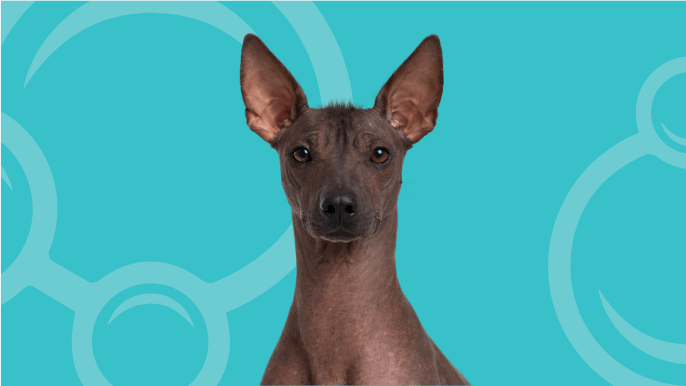
Peruvian Inca Orchid Temperament combines elegant sighthound sensitivity with loyal, affectionate devotion, housed in one of the rarest and most historically significant hairless bodies in the canine world. Peruvian Inca Orchid Temperament is gentle, alert, and deeply bonded to its family, carried on a lean, athletic, graceful frame that comes in three sizes and requires skincare rather than traditional coat maintenance, connecting owners to over a thousand years of Peruvian heritage.
The Peruvian Inca Orchid (also called Perro sin Pelo del Peru, meaning "Peruvian Hairless Dog") is Peru's national dog, with archaeological evidence dating the breed to pre-Inca civilisations over 1,000 years ago. The breed comes in three sizes: Small, weighing 4 to 8 kg (9 to 18 lb); Medium, weighing 8 to 12 kg (18 to 26 lb); and Large, weighing 12 to 25 kg (26 to 55 lb). The hairless variety has smooth, elastic skin that may have small tufts of hair on the head, and the breed also produces a coated variety in litters.
This is Mondo, and I need you to hear something about the Peruvian Inca Orchid, because this breed is Peru's national treasure, one of the rarest dogs you will ever encounter, and the combination of sighthound elegance, ancient heritage, and sensitive devotion creates a companion experience that is unlike any other hairless breed.
Peruvian Inca Orchid Temperament is sighthound at its core. Unlike the Xoloitzcuintli's guardian nature or the American Hairless Terrier's terrier boldness, the Peruvian Inca Orchid carries the sensitivity, elegance, and quiet alertness of a sighthound.
The breed was kept by pre-Inca and Inca civilisations not only as a companion but as a hunting partner, using speed and sight to pursue small game across the Peruvian landscape. That sighthound heritage created a dog that is gentle, graceful, alert to movement, and emotionally sensitive in ways that feel refined rather than fragile.
The Peruvian Inca Orchid does not bond with the trembling intensity of the Chinese Crested or the territorial watchfulness of the Xoloitzcuintli. It bonds with the quiet, elegant devotion of a sighthound that has chosen its person and offers its loyalty with dignity.
The emotional reward of living with Peruvian Inca Orchid Temperament is the quality of the companionship. This is a breed that is affectionate without being clingy, alert without being anxious, loyal without being possessive, and gentle without being passive.
The Peruvian Inca Orchid moves through your home with a grace that is almost cat-like, chooses its moments of affection with a discernment that makes each one feel meaningful, and offers a calm, warm presence that enriches daily life with a sense of elegance and quiet connection.
But the flip side is the sighthound sensitivity amplified by the hairless vulnerability. Peruvian Inca Orchid Temperament is genuinely sensitive to harsh environments, rough handling, loud households, and chaotic energy.
The sighthound reserve with strangers is more pronounced than in many companion breeds, and without consistent socialisation, the natural wariness develops into fearful reactivity. The prey drive from the hunting heritage is real and activates at movement. And the hairless skin, like all hairless breeds, requires daily sun protection, moisturising, temperature management, and injury prevention that replaces traditional coat care.
Which brings us to grooming .
Peruvian Inca Orchid Temperament during grooming is cooperative and calm with trusted handlers, reflecting the breed's gentle, dignified nature. The skincare routine is the same as other hairless breeds: sunscreen, moisturiser, regular bathing, and thorough skin inspection.
The sighthound body is lean and athletic, with skin that fits closely and shows every mark, scratch, and change clearly. This visual clarity is an advantage for health monitoring. Some individuals have small tufts of hair on the head that need occasional gentle maintenance.
This breed is NOT for you if:
- You want an outgoing, gregarious, stranger-friendly dog
- You live in an extreme climate without reliable temperature management
- You have small pets including cats, rabbits, or other small animals (sighthound prey drive)
- You use harsh, loud, or physically corrective training methods
- You want a widely available breed that is easy to find from local breeders
- You cannot commit to daily skincare and environmental temperature management
Because Peruvian Inca Orchid Temperament includes:
- Sighthound reserve with strangers requiring consistent, gentle socialisation from puppyhood
- Prey drive toward small, fast-moving animals from the hunting heritage
- Emotional sensitivity that makes the breed vulnerable to harsh handling and chaotic environments
- Hairless skin requiring sun protection, moisturising, regular cleansing, and injury monitoring
- Temperature sensitivity to both heat (sunburn) and cold (no insulating coat)
- Extreme rarity making breeders, veterinary expertise, and breed community resources genuinely difficult to find
This breed IS for you if:
- You want an elegant, gentle, quietly devoted companion with extraordinary heritage
- You appreciate sighthound grace and sensitivity in a unique, hairless body
- You can provide a calm, gentle, stable environment with positive, patient handling
- You are committed to daily skincare as a replacement for traditional grooming
- You can provide consistent socialisation and a quiet, predictable household
- You value rare breeds and want to connect with over a thousand years of Peruvian heritage
Peruvian Inca Orchid Temperament rewards gentle, patient, devoted owners with a companion whose elegance is extraordinary, whose loyalty is quiet and dignified, and whose ancient heritage connects you to one of the most historically significant dog breeds in the Americas.
Protect the skin. Honour the sensitivity. Cherish the elegance.
Do that, and you will have one of the rarest, most elegant, and most quietly devoted companions in the entire canine world.
Breed Handling Profile
| Trait | Level | Notes |
|---|---|---|
| Emotional sensitivity | High | Sighthound sensitivity; gentle and refined; responds to calm, positive methods; wilts under harshness |
| Handling tolerance | Moderate to High | Cooperative with trusted handler; may withdraw from unfamiliar or rough handling |
| Grooming commitment | Moderate (skincare) | No coat grooming; regular skincare including sun protection, moisturising, and cleansing |
| Exercise needs | Moderate | 30 to 45 minutes daily; enjoys walks and play; capable of sighthound speed bursts; needs secure areas |
| Alone time tolerance | Moderate | Handles reasonable alone time; bonds deeply but with less separation intensity than Chinese Crested |
| Best fit household | Gentle, calm households with experienced owners | Families or individuals who appreciate sighthound temperament and can manage hairless skincare |
Breed Purpose and Why It Matters for Peruvian Inca Orchid Temperament
The Peruvian Inca Orchid is one of the oldest breeds in the Americas, with pottery, textiles, and archaeological evidence from the Chimu, Moche, Chancay, and Inca civilisations depicting hairless dogs that closely resemble the modern breed. The breed served as both companion and hunting partner, using sighthound speed to pursue small game.
The breed was kept by Peruvian nobility and was believed to have medicinal properties, with the warm, hairless body used to provide comfort to the sick and elderly, similar to the Xoloitzcuintli in Mesoamerica. After the Spanish conquest, the breed survived primarily in rural Peruvian communities. Peru declared the breed a national patrimony in 2001, providing legal protection for its preservation.
Peruvian Inca Orchid Temperament reflects the dual companion-hunter heritage. The gentle devotion comes from centuries as a valued household companion. The alert sensitivity and prey drive come from the hunting role.
The reserve with strangers comes from a breed that was kept by specific families and communities rather than bred for public sociability. The elegance and grace come from the sighthound influence that gives this breed its distinctive movement and refined bearing.
FurHQ Coat Type: Naked/Hairless Coat (Coming Soon)
The Peruvian Inca Orchid comes in two varieties: Hairless and Coated.
The Hairless variety has smooth, elastic skin that ranges from dark to light tones and may include spots or solid colours. Some individuals have small tufts of fine hair on the head. The coated variety has a short to medium coat.
FurHQ is developing specialised resources for the Naked/Hairless Coat type. Hairless breeds require skincare routines that differ fundamentally from all seven current FurHQ coat classifications.
Until the FurHQ Naked/Hairless Coat resources launch, here are the essential skincare principles:
- Sun protection is essential. Apply dog-safe sunscreen before any outdoor exposure, particularly on lighter-skinned areas
- Moisturise regularly to maintain skin elasticity and prevent dryness
- Bathe regularly (every 1 to 2 weeks) to keep skin clean and healthy
- Monitor for skin injuries from outdoor activity and environmental contact
- Provide clothing for cold weather and shade during intense sun exposure
- Monitor for dental anomalies (the hairless gene is linked to dental issues, as in other hairless breeds)
Use the FurHQ AI Coat Identifier if you have the coated variety and need coat classification. The Naked/Hairless Coat type and the Corded Coat type are both coming soon to the FurHQ system.
Not Sure About Your Dog's Coat Type?
The Peruvian Inca Orchid comes in both hairless and coated varieties. Use the FurHQ AI Coat Identifier for coat classification assistance. FurHQ Naked/Hairless Coat and Corded Coat resources are coming soon.
Puppy Coat to Adult Coat Transition
Hairless Peruvian Inca Orchid puppies are born hairless and remain hairless throughout life. The skin matures and becomes more resilient with age. Skin pigmentation may change with sun exposure. Puppies have more delicate skin requiring extra protection.
Peruvian Inca Orchid Temperament during puppyhood is curious, gentle, playful, and already displaying the sighthound sensitivity and elegance that defines the breed. Socialisation from the earliest weeks is critical. Expose the puppy to diverse people, environments, and experiences gently and positively. The sighthound sensitivity means socialisation must be careful and positive rather than overwhelming. Establish the skincare routine from puppyhood.
Peruvian Inca Orchid Temperament: Superpowers and Kryptonite
Superpowers 🦸
🌟 Elegant sighthound grace: Peruvian Inca Orchid Temperament moves and lives with a refined elegance that is almost cat-like, bringing a sense of beauty and calm to the household.
🌟 Quiet, dignified loyalty: The bond is deep and genuine without being demanding, clingy, or possessive, offering a quality of companionship that feels mature and meaningful.
🌟 Ancient heritage: Owning a Peruvian Inca Orchid connects you to over 1,000 years of Peruvian history, a living piece of pre-Columbian American heritage.
🌟 No shedding (Hairless): Eliminates coat maintenance and shedding entirely, practical for allergy-conscious households.
🌟 Three size options: Small, Medium, and Large varieties provide flexibility for different living situations and preferences.
🌟 Natural warmth: The hairless body radiates warmth, making the breed a wonderful warm companion, a trait valued for over a millennium.
Kryptonite ⚠️
⚠️ Sighthound prey drive: Fast-moving small animals trigger intense chase behaviour. Not safe with cats, rabbits, or small pets in most cases.
⚠️ Stranger reserve: More pronounced than many companion breeds, requiring consistent socialisation to prevent fearful reactivity.
⚠️ Environmental sensitivity: Harsh handling, loud households, and chaotic environments cause genuine distress in this sensitive breed.
⚠️ Skincare demands: Sun protection, moisturising, regular bathing, and skin monitoring require daily attention.
⚠️ Extreme rarity: Finding reputable breeders is genuinely difficult. Waiting lists are long. Breed-specific resources are limited.
⚠️ Dental anomalies: The hairless gene is linked to missing and malformed teeth, requiring lifelong dental monitoring.
FurHQ's Lifestyle Lens and Pro Insights
The Sighthound Prey Drive Is Genuine
Peruvian Inca Orchid Temperament carries real sighthound prey drive that activates at movement. Small, fast-moving animals trigger intense chase behaviour. Secure, fenced areas are essential for off-lead exercise. On-lead walking in unsecured areas is non-negotiable. The elegant, gentle demeanour in the home transforms into focused, explosive pursuit the moment a squirrel, rabbit, or cat moves within visual range.
Socialisation Must Be Gentle and Consistent
The sighthound sensitivity means socialisation must be approached differently than with bold, resilient breeds. Expose the Peruvian Inca Orchid to new people, environments, and experiences gradually and positively. Never flood the dog with overwhelming stimuli. Build confidence through gentle, positive exposure at the dog's pace. Harsh or overwhelming socialisation creates the fearful reactivity it aims to prevent.
The Nighttime Companion Tradition
For over a thousand years, Peruvian families valued the hairless dog's warm body as a natural heat source during cool Andean nights. The Peruvian Inca Orchid naturally gravitates toward physical closeness, particularly during rest, pressing its warm, smooth body against yours with a gentle purpose. Embrace this heritage. The breed is an exceptional sleeping companion whose warmth and quiet presence make nights genuinely more comfortable.
Temperature Management Is Dual-Directional
Like all hairless breeds, the Peruvian Inca Orchid needs protection from both sun and cold. The Peruvian highland heritage means the breed tolerates cool evenings better than some hairless breeds but still requires clothing in genuinely cold weather. In warm, sunny conditions, sunscreen, shade, and limited direct sun exposure protect the skin. The three size varieties have different temperature tolerances, with the larger variety generally more resilient.
Secure your yard completely before allowing any off-lead time. The Peruvian Inca Orchid's sighthound heritage means this elegant, gentle, quiet house companion transforms into an explosive sprinter the moment prey crosses its visual field.
Health and Lifespan: The FurHQ Touch Test
The Peruvian Inca Orchid typically lives 12 to 14 years.
Regular skincare sessions serve as essential health monitoring. Peruvian Inca Orchid Temperament cooperates during examination from trusted handlers. Dental anomalies linked to the hairless gene are a primary concern, including missing teeth and early tooth loss. Skin conditions including sunburn, dryness, and irritation require ongoing management. Epilepsy can occur. Irritable bowel disease is reported in some lines. The lean sighthound body makes visual health assessment straightforward.
Every grooming session is a conversation with your dog's body. Regular skin monitoring catches developing issues before they become serious.
Related Breed Comparisons
- Xoloitzcuintli Temperament: Mesoamerican hairless breed with more guardian-focused temperament. More territorial. Less sighthound sensitivity. Similar skincare.
- Chinese Crested Temperament: Smaller hairless companion with more emotionally dependent personality. Less prey drive. More separation anxiety.
- American Hairless Terrier Temperament: American hairless breed with bold terrier energy. More outgoing. Less sighthound sensitivity. Similar skincare.
- Whippet Temperament: Similar sighthound temperament with smooth coat. Comparable sensitivity and prey drive. No skincare demands.
Related Reading
Coat Type Education
Comfort and Safety
Tools and Products
The Bottom Line
Peruvian Inca Orchid Temperament delivers elegant sighthound grace, quiet dignified loyalty, and sensitive devotion in one of the rarest and most historically significant hairless breeds in the world. The prey drive demands secure environments. The sensitivity demands gentleness. The rarity demands patience.
The skin demands daily care. But the return is one of the most elegant, most refined, and most quietly devoted companions available, a living connection to over a thousand years of Peruvian heritage whose grace, warmth, and gentle presence enrich daily life with a quality of companionship that is genuinely rare.
FurHQ Naked/Hairless Coat resources are coming soon. Until then, the skincare essentials are sunscreen, moisturiser, regular cleansing, and dental monitoring.
Learn the Method. Follow the Protocol. Complete the Mission.
You got this. And we've got you. 🐾
Variation Clarity Statement
Every dog is an individual. The Peruvian Inca Orchid comes in three sizes (Small, Medium, Large) and two varieties (Hairless and Coated). Skin colour, hair tufts, prey drive intensity, and temperament vary between individuals and size varieties.
FAQs
What coat type does a Peruvian Inca Orchid have?
The Hairless variety has no coat and requires skincare. The coated variety has a short to medium coat. FurHQ classifies most dog coats into seven types: Curly Wavy Coat, Drop Coat, Wire Coat, Smooth Single Coat, Short Double Coat, Medium Plush Double Coat, and Feathered Long Double Coat. The Naked/Hairless Coat type is coming soon to the FurHQ system. The Corded Coat type is also coming soon. Use the FurHQ AI Coat Identifier for coat classification assistance.
How big does a Peruvian Inca Orchid get?
Three sizes: Small 4 to 8 kg (9 to 18 lb), Medium 8 to 12 kg (18 to 26 lb), Large 12 to 25 kg (26 to 55 lb). Heights range from 25 to 65 cm (10 to 26 in) depending on size variety.
Is the Peruvian Inca Orchid good with cats?
Generally not recommended. The sighthound prey drive creates intense chase behaviour toward small, fast-moving animals. Individual temperament varies, but the prey instinct is genetic and strong.
Is Peruvian Inca Orchid Temperament good with children?
Good with gentle, respectful children in calm households. The sensitivity means rough handling and chaotic play cause genuine distress. Best with older children who understand gentle interaction.
How much exercise does the breed need?
Thirty to forty-five minutes daily. Walks, play, and supervised off-lead running in secure, fenced areas. Capable of impressive sighthound speed bursts.
Why is the Peruvian Inca Orchid so rare?
The breed survived primarily in rural Peruvian communities after the Spanish conquest. Peru declared it a national patrimony in 2001. Breeding populations outside Peru remain small. Finding reputable breeders requires research and patience.
What skincare does the Hairless variety need?
Sunscreen before outdoor exposure, regular moisturising, bathing every 1 to 2 weeks, and daily skin inspection. Protect from sun, cold, and environmental injury.
Does the breed have dental problems?
The hairless gene is linked to dental anomalies including missing and malformed teeth. Dental monitoring at every grooming session is essential.
Is the Peruvian Inca Orchid good with other dogs?
Generally good with properly socialised individuals. The sighthound nature is typically non-confrontational. The breed prefers calm, respectful canine interactions.
Does the breed need clothing?
Does the breed need clothing?
What health issues should I watch for?
Dental anomalies, skin conditions (sunburn, dryness, irritation), epilepsy, irritable bowel disease, and general skin monitoring. Monitor dental health at every grooming session.