
How to Clean Dog Eyes at Home: Safe Techniques
Table of Contents
- Introduction
- Where Eye Cleaning Fits in the FurHQ 5-Step
- Why Eye Cleaning Matters
- Understanding Dog Eye Discharge
- Drop Coat Dogs and Eye Issues
- Tools for Cleaning Dog Eyes
- The Softening Technique: Water Is Your Friend
- Step by Step: How to Clean Dog Eyes
- How Often to Clean
- Keeping Soap and Products Away from Eyes
- When to Be Concerned
- Setting Your Dog Up for Success
- FurHQ Eye Care Products
- Related Reading
- The Bottom Line
- Variation Clarity Statement
- FAQs
 Introduction
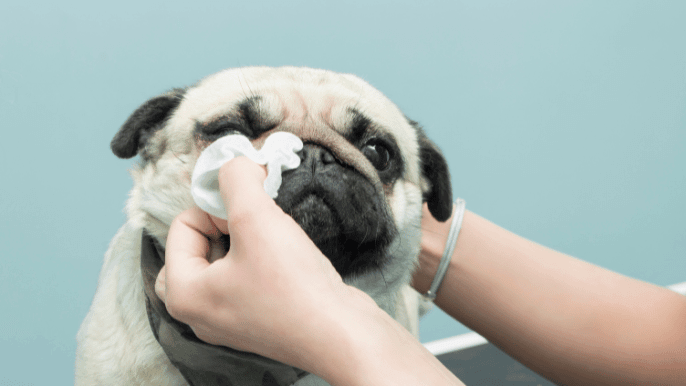
How to clean dog eyes is one of those grooming skills that seems simple until you actually try it. Your dog squirms. You worry about hurting them. The crusty bits seem welded to their fur. Yet learning how to clean dog eyes properly makes a real difference in your dog's comfort and eye health.
Think of this as the companion guide to When to Skip Eye Cleaning: Signs Your Dog Needs a Vet. That guide teaches you when not to clean. This one teaches you how to clean dog eyes with proper technique for routine maintenance.
Where Eye Cleaning Fits in the FurHQ 5-Step
Understanding how to clean dog eyes within the FurHQ Protocol: A 5-Step Grooming Method ensures eye care becomes part of every grooming session.
During the Audit: Check both eyes for discharge, redness, swelling, cloudiness, or changes from the last session. Note whether discharge is normal (light tan, minimal) or concerning (yellow, green, excessive). This determines whether you proceed with routine cleaning or consult your veterinarian first.
During the Prep phase: Clean the eye area before bathing. Soften and remove dried discharge using the technique described below. Use FurHQ Eye Wipes to clean the inner corners and surrounding fur. For dogs prone to tear staining, apply Sotaria Coat Defense Serum after cleaning.
During the Bath phase: Protect the eyes from shampoo and product. Wash the face last. Use a damp cloth on the face rather than pouring water. Shield the eyes when rinsing.
During the Dry phase: Ensure the eye area is thoroughly dried. Pat gently, do not rub. Moisture left around the eyes contributes to irritation and staining.
During the Finish phase: Final eye check. Confirm the area is clean, dry, and free of remaining discharge. For dogs prone to staining, reapply Sotaria Coat Defense Serum.
Why Eye Cleaning Matters
Regular eye cleaning is not just cosmetic. Discharge that accumulates causes skin irritation from wet, crusty debris sitting against skin. Moist debris provides an ideal environment for bacterial growth. Eye discharge dries and hardens in fur, creating mats that pull on sensitive facial skin. Old, accumulated discharge develops unpleasant odour. In dogs with longer facial hair, hardened discharge can obstruct vision.
Regular cleaning prevents these issues. Learning how to clean dog eyes catches problems early and allows you to notice changes that might indicate health problems. Learning how to clean dog eyes is a fundamental part of responsible grooming.
Understanding Dog Eye Discharge
All dogs produce some eye discharge. Tears contain water, oil, and mucus that keep the eye lubricated and protected. A small amount of tan or slightly reddish discharge, especially after sleep, is completely normal.
Some dogs produce significantly more. Factors include anatomical features (shallow eye sockets, flat faces, narrow tear ducts), irritation (dust, pollen, wind, smoke), allergies, facial hair contacting the eye surface, eyelid problems, and blocked tear ducts.
Drop Coat Dogs and Eye Issues
Drop coat breeds deserve special attention because their coat type directly contributes to eye problems. Hair grows toward the eyes, constantly contacts the eye surface, wicks tears onto the face, and mats easily when exposed to moisture. Breeds include Maltese, Yorkshire Terrier, Shih Tzu, Lhasa Apso, Havanese, Afghan Hound, and Silky Terrier.
For drop coat breeds, knowing how to clean dog eyes is only part of the solution. Keep hair trimmed around inner eye corners. Use topknots or bands. Daily cleaning is essential.
Not sure what coat type your dog has? Use the FurHQ AI Coat Identifier to determine your dog's classification.
Tools for Cleaning Dog Eyes
FurHQ Eye Wipes
Specifically designed for cleaning around dogs' eyes. Gentle, safe, and effective pre-moistened wipes. Wipe from inner corner outward. Use a separate wipe for each eye.
Soft Cloths
When learning how to clean dog eyes at home, a clean, soft cloth dampened with warm water works for daily maintenance. Microfibre cloths are ideal. Keep dedicated eye cleaning cloths separate from other grooming supplies.
Cotton Balls or Pads
Soft, disposable, and allow precise cleaning. Avoid cotton balls with fibres that shed easily as loose fibres can irritate the eye.
The Toothbrush Technique
A soft-bristled toothbrush is a professional groomer secret for removing dried, crusty debris from fur. The soft bristles gently work through dried discharge without pulling hair. After softening debris with water, brush through affected fur using short, careful strokes away from the eye. Best for dogs with longer facial fur. Use a dedicated new toothbrush.
What to Avoid
- Cotton swabs near the eyes (sudden head movement risks eye contact)
- Paper towels (too rough, leave fibres)
- Tissues (often contain lotion or fragrance, disintegrate when wet)
The Softening Technique: Water Is Your Friend
One of the most important things to understand about how to clean dog eyes is that trying to remove dried discharge without softening it first is both ineffective and uncomfortable.
Dried discharge essentially glues itself to fur. Attempting removal while dry pulls painfully on hair, irritates skin, often fails, and makes your dog resistant to future cleaning.
Step 1: Wet a soft cloth or cotton pad with warm (not hot) water.
Step 2: Hold the damp cloth gently against the crusted area for 30 to 60 seconds.
Step 3: For stubborn buildup, rewet and hold for another minute.
Step 4: Once softened, gently wipe away from the eye. If still stuck, soften more rather than forcing it.
Step 5: For very stubborn areas in longer fur, the soft toothbrush technique works beautifully on softened debris.
If debris still feels hard, your dog pulls away, material does not slide off easily, or you feel resistance, stop and soften more. Patience is key when learning how to clean dog eyes effectively.
Step by Step: How to Clean Dog Eyes
Step 1: Position your dog. Lap, sitting, or lying down. For wiggly dogs, a helper may be needed.
Step 2: Assess what you are working with. Fresh and soft, or dried and crusted? Corner only, or spread into surrounding fur?
Step 3: Soften any dried discharge. Hold warm, damp cloth against crusted material until it softens.
Step 4: Clean the inner corners. Using FurHQ Eye Wipes, damp cloth, or cotton pad, gently wipe from inner corner outward. Light pressure. Lift away debris, do not scrub.
Step 5: Use fresh surfaces. Fold the wipe to expose a clean area for each stroke.
Step 6: Address surrounding fur. The soft toothbrush helps with longer coats.
Step 7: Dry the area gently. Pat dry. Leaving the area wet contributes to problems.
Step 8: Repeat on the other eye. Fresh cleaning supplies for each eye.
Step 9: Reward your dog. Treats and praise build positive associations.
How Often to Clean
The right frequency matters when learning how to clean dog eyes.
Daily cleaning recommended for: Brachycephalic breeds (Pugs, Bulldogs, Shih Tzus), drop coat breeds (Maltese, Yorkies, Lhasa Apsos), dogs with tear drainage issues, dogs with active allergies, white or light-coloured dogs.
Regular (2 to 3 times weekly) for: Dogs with moderate discharge, dogs with longer facial hair, breeds prone to eye irritation.
As needed for: Dogs with minimal discharge, short-coated breeds with normal tear drainage.
Keeping Soap and Products Away from Eyes
Bath time is the highest risk period. When learning how to clean dog eyes, protecting them during bath time is critical.
Protective strategies:
- Wash the head last
- Use your hand as a shield when rinsing
- Tilt the head so water runs back rather than forward
- Use a damp cloth on the face rather than pouring water
If product contacts the eyes (squinting, excessive tearing, pawing at face), flush with sterile saline solution and monitor. If symptoms persist, contact your veterinarian.
When to Be Concerned
Normal discharge: Small amounts of tan or slightly reddish, clear watery tears, roughly the same day to day, morning sleep in corners.
Concerning discharge: Yellow or green (may indicate infection), sudden increase, thick and mucus-like, from only one eye, accompanied by redness, swelling, or cloudiness, pawing at eye, squinting.
Eye problems can worsen quickly. When in doubt, see your veterinarian. For a complete guide, see When to Skip Eye Cleaning: Signs Your Dog Needs a Vet.
Setting Your Dog Up for Success
Desensitisation: Start with touching around the face and eyes, reward calm acceptance. Introduce the cloth gradually. Keep sessions short.
Your energy matters: If you are tense or rushed, your dog senses it. Approach calmly. Stay patient.
Prevent excessive buildup: Keep facial hair trimmed, address underlying causes with your vet, maintain a consistent schedule, reduce environmental irritants.
FurHQ Eye Care Products
Now that you know how to clean dog eyes, you need the right tools. Every FurHQ Starter Grooming Kit includes FurHQ Eye Wipes for safe, effective eye cleaning.
FurHQ Eye Wipes are included in:
- FurHQ Starter Grooming Kit: Smooth Single Coat
- FurHQ Starter Grooming Kit: Curly Wavy Coat
- FurHQ Starter Grooming Kit: Drop Coat
- FurHQ Starter Grooming Kit: Wire Coat
- FurHQ Starter Grooming Kit: Short Double Coat
- FurHQ Starter Grooming Kit: Medium Plush Double Coat
- FurHQ Starter Grooming Kit: Feathered Long Double Coat
For dogs prone to tear staining, the Sotaria tear stain system (BerryCHIC Supplement, Coat Defense Serum, and BRIGHTening Mask) is available in the FurHQ Store. See Dog Tear Stains: Causes, Prevention, and Effective Treatmentfor complete details.
Related Reading
The Bottom Line
Learning how to clean dog eyes is a fundamental grooming skill. Within the FurHQ 5-Step, the Audit checks eye condition, the Prep phase handles cleaning and protection, the Bath phase keeps products away from the eyes, the Dry phase ensures the area is dried, and the Finish phase confirms everything is clean and protected.
Mastering how to clean dog eyes comes down to gentle handling, patience in softening dried discharge, keeping soap and products away from the eyes, and maintaining a consistent routine. FurHQ Eye Wipes are included in every starter kit. For dogs with tear staining, the Sotaria system provides comprehensive prevention and treatment.
Most importantly, knowing how to clean dog eyes also means knowing when something needs veterinary attention. Once you know how to clean dog eyes, normal discharge is manageable at home, but changes in colour, amount, or consistency warrant professional evaluation.
Learn the Method. Follow the Protocol. Complete the Mission.
Variation Clarity Statement
Every dog is an individual. Eye discharge, tear production, facial anatomy, and sensitivity vary even within the same breed. The information in this blog represents general guidance. Your dog's specific needs may require adjustments to frequency or technique. Dogs with chronic eye issues should follow their veterinarian's specific protocol. When in doubt, consult your veterinarian or a Certified Professional Groomer. If you are unsure about your dog's coat type, use the FurHQ AI Coat Identifier to get accurate identification and the right kit recommendation.
FAQs
How often should I clean my dog's eyes?
How to clean dog eyes effectively depends partly on frequency. Most dogs benefit from eye cleaning two to three times weekly. However, breeds prone to excessive tearing (brachycephalic and drop coat breeds, dogs with allergies) typically need daily cleaning to prevent buildup and irritation.
Can I use baby wipes to clean my dog's eyes?
Baby wipes often contain fragrances, lotions, and other ingredients that can irritate your dog's eyes. Purpose made pet eye wipes like FurHQ Eye Wipes are formulated specifically for the delicate eye area and are a safer choice.
Why does my dog have more eye discharge than other dogs?
Several factors affect tear production and drainage. Brachycephalic breeds (flat faced dogs) often have shallow eye sockets and narrow tear ducts. Drop coat breeds have hair that irritates eyes and wicks moisture. Allergies, blocked tear ducts, and certain health conditions also increase discharge.
Should I pull off the crusty stuff around my dog's eyes?
Never pull or pick at dried discharge. Always soften it first with warm water held against the area for 30 to 60 seconds. Once softened, the material releases easily without pulling on hair or skin. Forcing removal is painful and makes dogs resistant to future cleaning.
Can I use a toothbrush around my dog's eyes?
Yes, a soft bristled toothbrush is actually a useful tool for removing softened debris from facial fur around the eyes. Use a dedicated new toothbrush, always soften debris first, and brush away from the eye, never toward it.
How do I keep shampoo out of my dog's eyes during baths?
Wash the head last, use your hand as a shield when rinsing, tilt the head so water runs backward not forward, and consider wiping the face with a damp cloth rather than traditional washing. If product does get in the eye, flush with sterile saline.
Why do drop coat dogs have so many eye problems?
Drop coat breeds like Maltese, Yorkshire Terriers, and Shih Tzus have hair that naturally falls toward and contacts the eye surface. This causes chronic irritation and increased tearing. The long hair also wicks moisture onto the face and mats when exposed to discharge.
What should normal dog eye discharge look like?
Normal discharge is typically light coloured (tan to slightly reddish), minimal in amount, and consistent day to day. A small amount of "sleep" in the eye corners after rest is normal. Green, yellow, thick, or suddenly increased discharge may indicate problems requiring veterinary attention.
Can I use contact lens solution to clean my dog's eyes?
Sterile saline solution (like that used for rinsing contact lenses) can safely be used to flush your dog's eyes if irritation occurs. However, for routine cleaning around (not in) the eyes, FurHQ Eye Wipes or warm water on a soft cloth work better for removing discharge.
My dog hates having their eyes cleaned. What should I do?
Work on desensitization gradually. Start by just touching around the face and rewarding calm behaviour. Slowly introduce the cleaning supplies over multiple sessions. Keep each session short and positive. See our Dog Grooming Desensitizationguide for detailed steps.
Is reddish brown staining around the eyes normal?
This staining is caused by porphyrin, an iron containing pigment in tears. While common, especially in light coloured dogs, excessive staining may indicate excessive tearing that should be investigated. See our companion guide on Dog Tear Stains Explained for complete information.
Should I trim the hair around my dog's eyes myself?
If you are comfortable and have appropriate blunt tipped scissors, you can carefully trim hair that is touching the eye. However, many owners prefer to have a professional groomer handle this delicate area. Regular trimming significantly reduces eye irritation in drop coat breeds.
Can eye discharge indicate my dog has allergies?
Yes, excessive watery discharge is a common sign of environmental allergies in dogs. If your dog has seasonal increases in eye discharge along with other allergy signs (itching, paw licking, sneezing), consult your veterinarian about allergy management.
How is eye cleaning different for puppies?
Puppies may be more wiggly and less tolerant, so keep sessions very short and focus on building positive associations. Teething puppies often have temporarily increased tearing. The techniques are the same, just with extra patience and smaller movements.
What is the difference between cleaning eyes and treating tear stains?
Knowing how to clean dog eyes addresses daily discharge removal. Treating tear stains involves addressing the discolouration that develops over time from chronic tearing. For tear stain treatment, see our comprehensive guide Dog Tear Stains Explained.
When should I see a vet about my dog's eye discharge?
See your veterinarian if discharge is yellow or green, if there is sudden increase in amount, if only one eye is affected, if discharge is accompanied by redness, swelling, cloudiness, or squinting, or if your dog is pawing at their eye. Eye problems can worsen quickly and require prompt attention.
What is the FurHQ 5-Step Grooming Method?
The FurHQ 5-Step Grooming Method is Audit, Prep, Bath, Dry, Finish. It provides structure for every grooming session so nothing gets missed. The Audit assesses the coat and body before you start. The Prep phase removes loose coat and addresses tangles. The Bath phase handles cleansing. The Dry phase removes moisture. The Finish phase completes the groom with a final assessment and comb check.