
Dog Grooming Tools - Why Cheap Ones Cost More Long-Term
Table of Contents
- Introduction
- How Quality Dog Grooming Tools Support the FurHQ 5-Step
- The Upfront Price Illusion
- Where Materials Make the Real Difference
- How Cheap Tools Create Coat Problems
- The Hidden Cost of Wasted Time
- How the Wrong Tools Differ by Coat Type
- Professional Grooming Costs and the Tool Connection
- The "Good Enough" Trap
- What Quality Looks Like
- Related Reading
- The Bottom Line
- Variation Clarity Statement
- FAQs
 Introduction
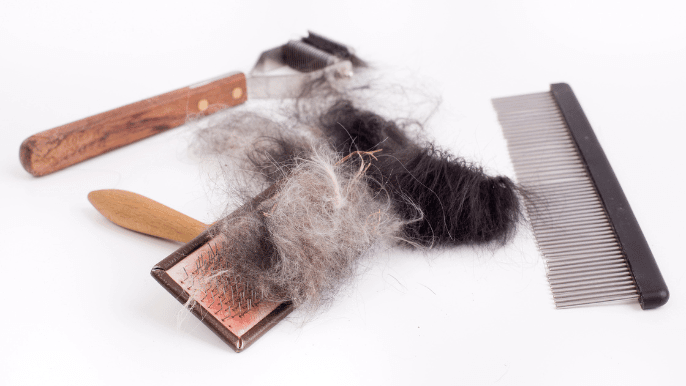
Dog grooming tools all look the same at first glance. You are standing at the pet store comparing two slicker brushes that look almost identical. One is under ten dollars. The other costs closer to forty. Both have metal pins. Both claim to work on all coat types. Choosing the cheaper option feels like common sense.
It is not.
Dog grooming tools are one of those purchases where the long-term cost tells a completely different story than the price tag. At FurHQ, we see this pattern constantly. Well-meaning dog owners try to save money, only to replace tools repeatedly, book extra professional appointments, or deal with coat problems that never should have happened.
This is not about buying the most expensive dog grooming tools available. It is about understanding why quality matters, how cheap tools fail, and what the real cost looks like when you factor in replacements, wasted time, coat damage, and professional interventions.
How Quality Dog Grooming Tools Support the FurHQ 5-Step
The FurHQ 5-Step Grooming Method depends on tools that actually perform their mechanical job.
During the Audit: A cheap tool cannot reveal what a quality tool shows. When you run an Undercoat Depth Comb through a double coat and it catches, you know dead undercoat remains. A cheap comb with rough seams catches on everything, making it impossible to distinguish tool failure from actual coat issues.
During the Prep phase: This is where cheap dog grooming tools fail most visibly. A slicker brush with pins that are too soft, too short, or too widely spaced passes over the surface without reaching the undercoat or skin. The Prep phase looks complete, but it is not.
During the Finish phase: The comb check is the verification step. If the comb itself is poorly made (rough seams, uneven teeth, soft metal that bends), it cannot verify anything. A quality FurHQ Detail Comb or Undercoat Depth Comb glides through properly groomed coat and catches on problems. A cheap comb catches on everything.
Quality dog grooming tools make every step of the 5-Step more effective. Cheap tools undermine the entire process.
The Upfront Price Illusion
Cheap dog grooming tools win at checkout because the brain focuses on immediate cost. An eight-dollar slicker brush feels safer than thirty-five dollars until you realise the cheaper brush often lasts only a few months. Over a twelve-year dog ownership timeline, the cheap brush replaced every four to six months adds up to twenty or more purchases. A quality brush replaced every five to six years adds up to two or three. The cheaper option quietly costs hundreds more while never working as well.
This pattern applies to every tool: combs that bend and lose teeth, rakes that dull after a few uses, deshedding tools that rough up the topcoat . Each failure sends you back to the store.
Where Materials Make the Real Difference
Quality slicker brushes use stainless steel pins with controlled flexibility that bends with the coat rather than scraping against the skin. Pins are evenly spaced and finished at the tips. Cheap slicker brushes use softer metals that bend permanently, inconsistent pin spacing, and unfinished tips that scratch skin.
Quality carding rakes have blade edges engineered to grip and remove dead undercoat without cutting live hair. Cheap versions dull quickly or are sharpened unevenly, slicing through healthy coat.
Quality metal combs have teeth that glide smoothly. Cheap combs have rough seams where hair catches and pulls, causing discomfort and training the dog to resist grooming.
None of these differences are visible in packaging. They only become apparent during use, which is why so many owners cycle through dog grooming tools without understanding why each one fails.
How Cheap Tools Create Coat Problems
When a slicker brush has pins that are too soft, too short, or too widely spaced, it passes over the surface without reaching the undercoat. The top looks brushed. Underneath, dead hair builds. Small tangles compress into mats that require professional intervention.
This is especially damaging for curly wavy coats, where the brush must penetrate the curl pattern to reach the skin. A cheap slicker barely dents the surface. A Long-Pinned Slicker Brush with the correct pin length reaches through curls and removes trapped dead hair. The difference is the difference between a coat that stays mat-free and one that needs shaving.
For double-coated dogs, cheap deshedding tools and carding rakes remove live topcoat along with dead undercoat, thinning the protective layer. Over time, this creates patchy growth and vulnerable skin. Quality carding rakes remove dead undercoat selectively.
For drop coats, cheap brushes with stiff pins create frizz, breakage, and thinning. The delicate texture requires a slicker used with light pressure and Pawfect Finish Coat Spray for slip.
The Hidden Cost of Wasted Time
Quality dog grooming tools matched to the coat type can complete a thorough session in fifteen to twenty minutes. A cheap brush on the same coat may take forty-five minutes and still miss problem areas.
When grooming takes too long, it happens less often. When it happens less often, coat problems accumulate. The cascade that cheap dog grooming tools create is predictable: cheap tools lead to longer sessions, longer sessions lead to less frequent grooming, coat problems lead to expensive professional appointments.
Dogs also learn from grooming experiences. A cheap comb that pulls and a cheap brush that scrapes teach the dog that grooming is uncomfortable. That discomfort creates resistance at every future session.
How the Wrong Tools Differ by Coat Type
Not sure what coat type your dog has? The FurHQ AI Coat Identifier can tell you in seconds.
Smooth single coats need a Rubber Curry that grips through friction. Cheap pin brushes and slickers pass over the short hair or scratch the thinly protected skin.
Short double and medium plush double coats need tools that reach the undercoat without damaging the topcoat. Cheap deshedding tools with dull or overly sharp blades cut live hair and thin the topcoat. A quality Short-Medium Coat Carding Rake removes dead undercoat selectively.
Feathered long double coats need different dog grooming tools for different zones. The body coat needs a Long Coat Carding Rake. The feathered areas need a Long-Pinned Slicker Brush. Cheap universal brushes cannot do both.
Curly wavy coats need a Long-Pinned Slicker Brush with specific pin length and firmness to penetrate the curl pattern. Cheap slickers with soft, short pins do not reach the skin where mats form.
Drop coats need gentle tools. Cheap stiff brushes cause frizz, breakage, and thinning. Quality dog grooming tools matched to the drop coat's texture maintain health while removing tangles.
Wire coats need tools that preserve the coarse outer texture. Cheap brushes strip the wire texture over time. Cheap stripping tools pull unevenly.
Professional Grooming Costs and the Tool Connection
Effective home grooming with quality dog grooming tools extends time between professional appointments. When the right tools remove dead undercoat, prevent matting , and maintain condition, professional visits become routine maintenance rather than emergency rescue.
Reducing even a few visits per year saves significant money. Over a dog's lifetime, the savings from effective home maintenance with quality tools far exceed the cost difference at checkout.
The "Good Enough" Trap
"Good enough" typically means brushing that smooths the surface without reaching the undercoat, missed tangles forming underneath, dogs tolerating grooming instead of relaxing, and owners assuming mats appeared from nowhere.
Good enough is not a stable state. It is the early stage of a problem that has not become visible yet.
What Quality Looks Like
Quality means dog grooming tools designed to perform a specific mechanical action on a specific coat type.
A quality slicker brush has pins that match the coat's density and length. Long-Pinned Slicker Brushes for curly wavy coats, drop coats, and feathered areas. A quality carding rake has a blade that removes dead undercoat without cutting live hair. A quality FurHQ Detail Comb (for Curly Wavy, Drop, and Wire Coats) or Undercoat Depth Comb (for Short Double, Medium Plush Double, and Feathered Long Double Coats) has smooth, polished teeth that glide through the coat and serve as the verification tool.
When dog grooming tools are matched to the coat type and built to last, the grooming kit stabilises. You stop replacing and start maintaining. The investment pays for itself within the first year.
Related Reading
- Why One Dog Brush Will Never Work for Every Dog
- How to Do a Comb Check on Your Dog
- How to Use Pawfect Finish Coat Spray
- Dog Coat Types Explained: Why Coat Type Matters
The Bottom Line
Cheap dog grooming tools cost more over time through constant replacement, wasted effort, coat damage, and additional professional expenses. Within the FurHQ 5-Step, quality tools make every phase more effective: the Audit reveals real coat condition, the Prep phase actually reaches every layer, and the Finish phase comb check verifies the work.
The right dog grooming tools matched to your dog's coat type turn grooming from a struggle into a routine that works. If grooming has ever felt harder than it should, the problem is probably not you. It is the dog grooming tools.
You got this. And we have got you. 🐾
Variation Clarity Statement
Every dog is an individual. Coat density, texture, and grooming needs vary even within the same breed. The information in this blog represents general guidance. Your dog's specific needs may require adjustments to tool selection. When in doubt, consult a Certified Professional Groomer. If you are unsure about your dog's coat type, use the FurHQ AI Coat Identifier to get accurate identification and the right kit recommendation.
FAQs
Why are cheap dog grooming tools more expensive in the long run?
Cheap dog grooming tools wear out quickly, fail to perform properly, and often damage the coat. Replacing them repeatedly, booking extra professional grooming appointments, and correcting coat issues costs far more over time than investing once in quality tools.
How long should a quality dog grooming tool last?
With proper care, high-quality dog grooming tools can last several years—often 5 to 10 years or more. Cheap tools may only last a few months before pins bend, blades dull, or handles break.
What makes professional-grade dog grooming tools different?
Professional-grade dog grooming tools use better materials, precise engineering, and ergonomic design. This means smoother brushing, cleaner cutting, less coat damage, and less strain for both you and your dog.
Do expensive dog grooming tools actually work better?
Yes—when “expensive” means well-designed, not just branded. Quality tools penetrate the coat properly, remove undercoat efficiently, prevent mats, and reduce grooming time, making home grooming more effective and less stressful.
Can cheap grooming tools damage my dog’s coat?
They can. Low-quality tools often pull hair, scratch skin, cause brush burn, and break coat strands. Over time, this leads to thinning, matting, irritation, and uneven coat growth that may require professional correction.
Why does grooming take longer with inexpensive tools?
Cheap tools often only skim the surface of the coat instead of reaching problem areas. This means more passes, more effort, and still-missed tangles—turning a short grooming session into a long, frustrating one.
How do grooming tools affect professional grooming costs?
Effective home grooming with quality tools helps maintain coat condition between professional appointments. This can reduce emergency dematting fees, shorten groom times, and extend the time between visits—saving money long-term.
Is it better to slowly upgrade grooming tools or buy quality upfront?
Buying quality upfront is almost always cheaper over time. Gradual replacement of cheap tools creates ongoing costs, while investing once in the right tools builds a stable, long-term grooming setup.
Are high-quality dog grooming tools worth it for short-haired or low-maintenance dogs?
Yes. Even short or smooth-coated dogs benefit from proper tools that remove dead coat, protect skin, and reduce shedding. Cheap tools often fail to do this effectively, leading to more shedding and skin issues.
How do I know which grooming tools are right for my dog?
The right tools depend on your dog’s coat type, coat density, and grooming needs. Choosing tools designed specifically for your dog’s coat—not just what looks similar on the shelf—is key to effective grooming.
Does FurHQ recommend buying the most expensive grooming tools?
No. FurHQ focuses on buying the right tools—not the most expensive ones. The goal is quality, durability, and proper function for your dog’s specific coat type, not unnecessary upgrades.
Can maintaining tools extend their lifespan?
Absolutely. Cleaning brushes, oiling blades, storing tools properly, and using them as intended can extend the life of quality grooming tools by years.
Are FurHQ kit tools high quality?
Every FurHQ Starter Grooming Kit contains tools designed for the specific coat type, made with quality materials, and matched to the mechanical action that coat requires. Available in the FurHQ Store.
What is the FurHQ 5-Step Grooming Method?
The FurHQ 5-Step Grooming Method is Audit, Prep, Bath, Dry, Finish. It provides structure for every grooming session so nothing gets missed. The Audit assesses the coat and body before you start. The Prep phase removes loose coat and addresses tangles. The Bath phase handles cleansing. The Dry phase removes moisture. The Finish phase completes the groom with a final assessment and comb check.